


Edibles

Why Don’t Edibles Work For Me? 10 Possible Reasons and Solutions
Cannabis edibles are cannabinoid-infused food and beverage products that deliver THC or CBD through…
Learn more
You must be 21+ to enter this site
 FREE SHIPPING $89+
 FREE SODA ON $120+
 100% FEDERALLY LEGAL
 LAB TESTED FOR PURITY
FREE SHIPPING $89+
FREE SODA ON $120+
100% FEDERALLY LEGAL
LAB TESTED FOR PURITY
FREE SHIPPING $89+
FREE SODA ON $120+
100% FEDERALLY LEGAL
LAB TESTED FOR PURITY
FREE SHIPPING $89+
FREE SODA ON $120+
100% FEDERALLY LEGAL
LAB TESTED FOR PURITY
FREE SHIPPING $89+
FREE SODA ON $120+
100% FEDERALLY LEGAL
LAB TESTED FOR PURITY
FREE SHIPPING $89+
FREE SODA ON $120+
100% FEDERALLY LEGAL
LAB TESTED FOR PURITY
LAB TESTED FOR PURITY
FREE SHIPPING $89+
FREE SODA ON $120+
100% FEDERALLY LEGAL
LAB TESTED FOR PURITY
FREE SHIPPING $89+
FREE SODA ON $120+
100% FEDERALLY LEGAL
LAB TESTED FOR PURITY
FREE SHIPPING $89+
FREE SODA ON $120+
100% FEDERALLY LEGAL
LAB TESTED FOR PURITY
FREE SHIPPING $89+
FREE SODA ON $120+
100% FEDERALLY LEGAL
LAB TESTED FOR PURITY
FREE SHIPPING $89+
FREE SODA ON $120+
100% FEDERALLY LEGAL
LAB TESTED FOR PURITY

Many people try a cannabis edible for the first time and wait for a feeling that never arrives. It can feel confusing when friends get the same gummy from the same dispensary and feel the effects while nothing seems to happen on your end.
Edibles affect everyone differently, and a few internal factors can shape how your body handles THC. Here is a look at some common reasons edibles don’t work the way people expect.
Many people try a cannabis edible and feel confused when nothing kicks in. Friends might feel the effects from the same gummy while your body stays calm. Edibles affect everyone differently, and several factors can shape how you metabolize THC and CBD. Here are the most common reasons edibles don’t work the way people expect.
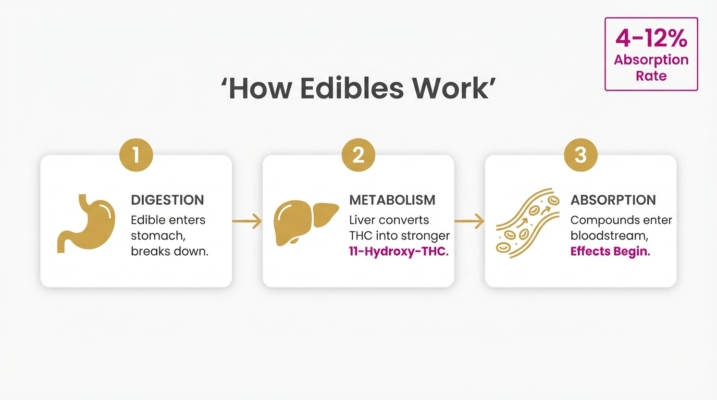
Some people absorb THC slowly. The digestive system sends THC to the liver, where a liver enzyme breaks it down into 11-hydroxy THC. If the body struggles to metabolize THC, the psychoactive effect can feel weak. This can happen when cannabinoids like THC and CBD move through the bloodstream at a slower pace.
Regular cannabis use can build a high THC tolerance. People who consume cannabis often may need a higher dosage to feel the effects of edibles. Smoking or vaping cannabis can also raise tolerance, which makes using edibles feel less noticeable.
The way you metabolize cannabis can change the experience. Some people break down THC quickly and feel nothing. Others metabolize cannabis very slowly and do not feel the desired effect for hours. Conditions like irritable bowel syndrome can also affect how you ingest and process cannabis products.
Eating an edible on a full stomach can delay the effects of an edible. An empty stomach makes the effects hit faster for some people, but it can also cause inconsistent results. Because edibles can take time, people often think edibles may not work when the delay simply feels longer than expected.
A gummy or tincture with lower THC might not create the high from edibles that people expect. New to cannabis users often pick a mild dose from a dispensary, and the dosage may be too gentle to feel anything. CBD edibles also do not create the same psychoactive effect as THC gummies.
Some people have genetic differences in the enzyme responsible for breaking down THC. When the enzyme works differently, the body may not metabolize THC efficiently. This can reduce the effects of THC and leave people wondering why cannabis edibles don’t work.
People who are used to smoking or vaping can feel the effects of cannabis within minutes. Edibles hit slowly and move through the digestive system first. Unlike smoking or vaping, edibles affect the body through THC metabolism instead of immediate absorption. This shift can make edibles feel weaker for those who expect a fast response.
Cannabis products lose potency over time. Old edibles might not work as well because THC degrades. A gummy that has been stored improperly may not deliver the desired effect.
Products that combine THC and CBD can feel milder. CBD can soften the effects of THC, which makes some thc edibles feel less intense. People who want to feel high from edibles might not get the same effect with blended formulations.
Some people simply respond better to alternatives to edibles. A tincture absorbs differently. Smoking and vaping allow THC to enter the bloodstream faster. People have different responses to cannabis consumption, and not everyone feels the effects from edibles the same way.
Improving how the body absorbs THC can make a cannabis edible feel more consistent. People often find that small changes in timing, food intake, and product choice help them feel the desired effects more reliably.
Some people decide that edibles aren’t the right fit and look for options that produce effects more predictably. Several alternatives offer more control, faster onset, and easier adjustment of dosage.
Edibles can feel unpredictable, and for many people, the issue comes down to how their body absorbs and processes THC. Small adjustments—like timing, dosage, or product format—can make a big difference in how reliably edibles work.
If you’re still not feeling the effects you expect, exploring alternative consumption methods or higher-quality products may help. To find options that deliver more consistent results, consider checking out our curated THC edible selections for a smoother, more predictable experience.
Yes. Some medications can interfere with liver enzymes responsible for metabolizing THC, which may weaken or delay the effects of edibles.
They do. Even when stored properly, THC slowly degrades, and expired edibles may feel noticeably weaker.
Yes. Stress, anxiety, and mood can influence how your body responds to THC, sometimes making the effects feel muted or inconsistent.
To a degree. While not the sole factor, body composition and fat distribution can influence how THC is stored and released in the body.
Stimulants like caffeine may alter how you perceive the effects of THC, sometimes reducing the noticeable high from edibles.
They can. Different formulations—such as gummies, chocolates, or oil-based products—can change how THC is absorbed and how quickly effects appear.
Yes. Poor sleep or fatigue may blunt the psychoactive effects of THC because the body is already under stress or operating at lower efficiency.
Absolutely. Daily variations in hydration, food intake, metabolism, and stress can all cause edibles to feel inconsistent.
Cannabis edibles are cannabinoid-infused food and beverage products that deliver THC or CBD through…
Learn more
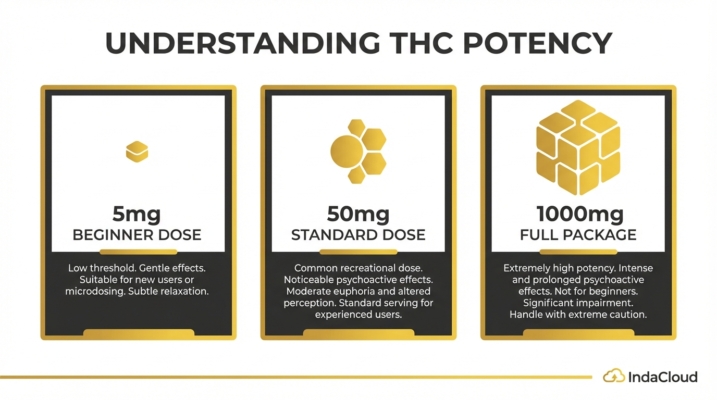
A 1000mg THC edible is a multi-serving package containing one thousand milligrams of tetrahydrocannabinol…
Learn more
Trolli edibles bring a fun, nostalgic twist to cannabis treats, combining the classic chewy…
Learn more
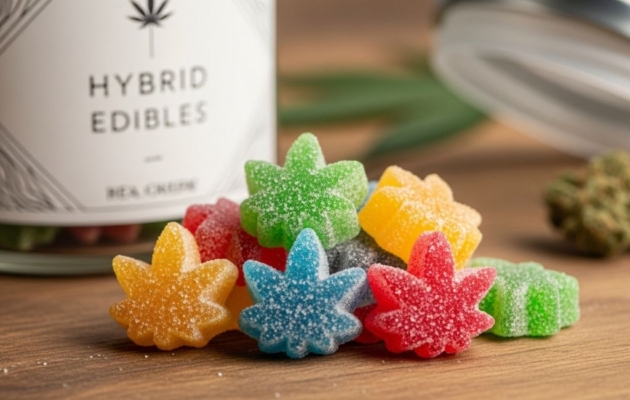
Hybrid edibles continue to gain attention as more consumers look for cannabis experiences that…
Learn more


