


Edibles

Why Don’t Edibles Work For Me? 10 Possible Reasons and Solutions
Cannabis edibles are cannabinoid-infused food and beverage products that deliver THC or CBD through…
Learn more
You must be 21+ to enter this site
 FREE SHIPPING $89+
 FREE SODA ON $120+
 100% FEDERALLY LEGAL
 LAB TESTED FOR PURITY
FREE SHIPPING $89+
FREE SODA ON $120+
100% FEDERALLY LEGAL
LAB TESTED FOR PURITY
FREE SHIPPING $89+
FREE SODA ON $120+
100% FEDERALLY LEGAL
LAB TESTED FOR PURITY
FREE SHIPPING $89+
FREE SODA ON $120+
100% FEDERALLY LEGAL
LAB TESTED FOR PURITY
FREE SHIPPING $89+
FREE SODA ON $120+
100% FEDERALLY LEGAL
LAB TESTED FOR PURITY
FREE SHIPPING $89+
FREE SODA ON $120+
100% FEDERALLY LEGAL
LAB TESTED FOR PURITY
LAB TESTED FOR PURITY
FREE SHIPPING $89+
FREE SODA ON $120+
100% FEDERALLY LEGAL
LAB TESTED FOR PURITY
FREE SHIPPING $89+
FREE SODA ON $120+
100% FEDERALLY LEGAL
LAB TESTED FOR PURITY
FREE SHIPPING $89+
FREE SODA ON $120+
100% FEDERALLY LEGAL
LAB TESTED FOR PURITY
FREE SHIPPING $89+
FREE SODA ON $120+
100% FEDERALLY LEGAL
LAB TESTED FOR PURITY
FREE SHIPPING $89+
FREE SODA ON $120+
100% FEDERALLY LEGAL
LAB TESTED FOR PURITY

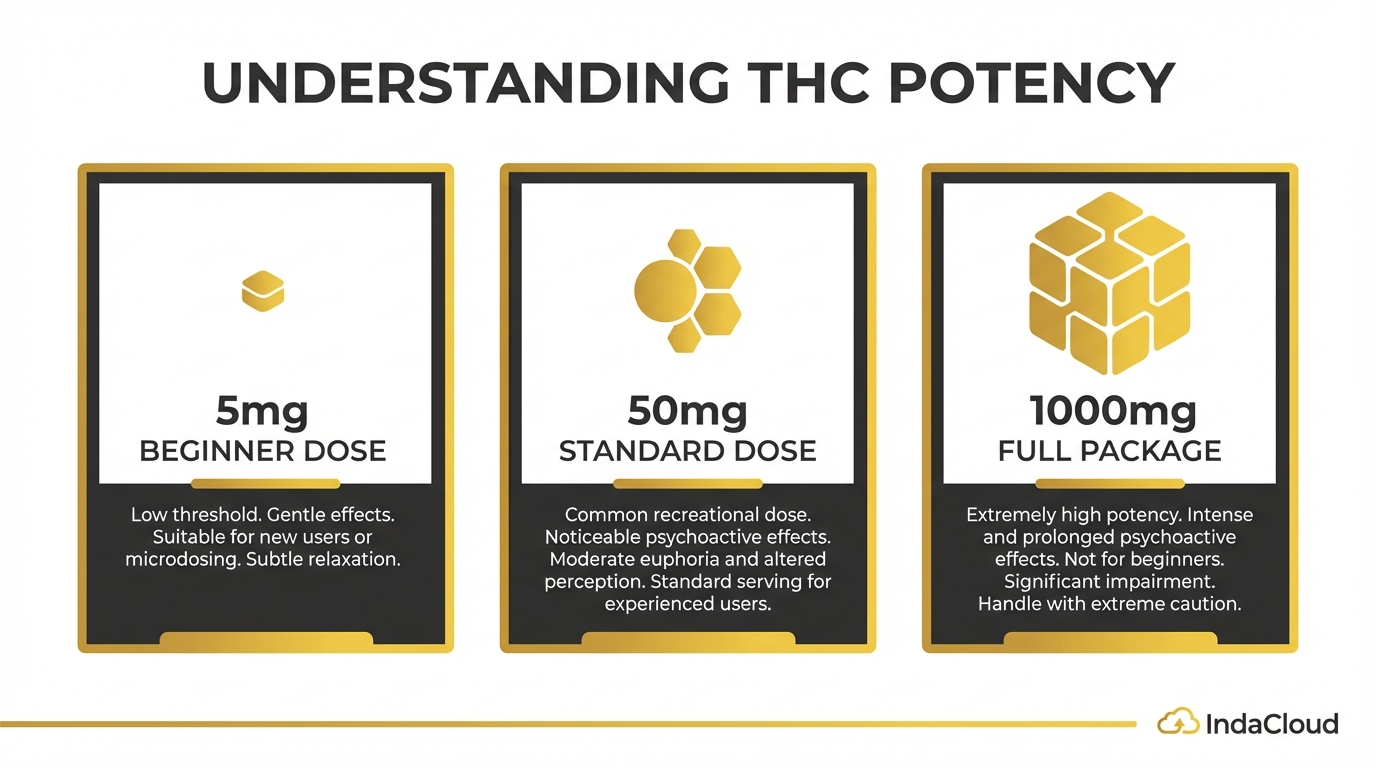
A 1000mg THC edible is a multi-serving package containing one thousand milligrams of tetrahydrocannabinol divided across many individual pieces, not a single dose. For most users, consuming the full package at once would be dangerously excessive; safe use depends entirely on how you portion it.
This guide covers THC potency and labeling, appropriate user groups, standard dosage tiers, overconsumption risks and influencing factors, safe portioning strategies, and the differences between hemp-derived and dispensary edibles.
Each piece in a 1000mg package can contain anywhere from 10mg to 50mg of THC depending on how many servings the manufacturer includes, making label literacy the first step toward safe consumption. We break down total package dose versus per-serving dose so you know exactly what you are eating before you eat it.
These products are built for experienced consumers and medical patients with established tolerance, not newcomers. Beginner doses start at 1 to 5mg, meaning a 1000mg package holds roughly 200 times that amount, and even one miscalculated portion can overwhelm someone without prior exposure.
Effects scale sharply across dosage tiers. Microdoses under 5mg produce mild relief without intoxication, while anything above 100mg risks seriously impaired coordination, nausea, anxiety, and increased heart rate. We map each tier so you can identify where your tolerance falls.
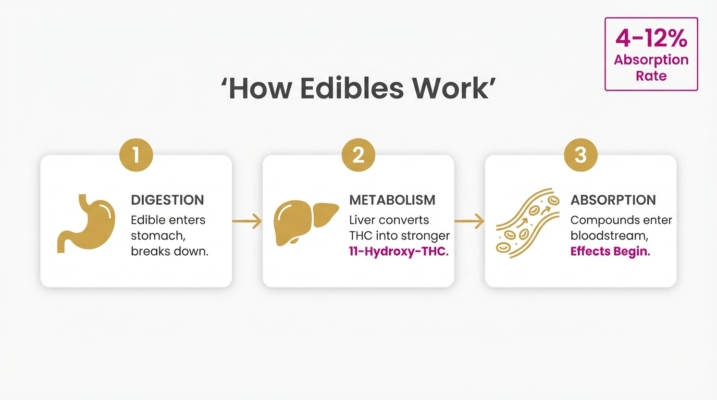
Body weight, metabolism, cannabis history, and food intake all shape how THC affects you. The bioavailability of ingested THC sits between 4% and 12%, which means onset is slow, unpredictable, and easy to misjudge without a disciplined portioning plan.
Hemp-derived THC edibles carry identical potency milligram for milligram compared to dispensary products, and we clarify the federal legal framework that allows lab-tested options to ship nationwide.
1000mg of THC in an edible means the entire product contains one thousand milligrams of tetrahydrocannabinol spread across multiple servings. Understanding how this total breaks down per piece is essential for safe dosing.
THC potency in edibles is measured in milligrams (mg), representing the total amount of active tetrahydrocannabinol infused into the product. Manufacturers test each batch through laboratory cannabinoid analysis and print the results on the packaging.
Two key figures typically appear on a label:
A 1000mg edible package, for example, might contain 20 gummies at 50mg each or 40 gummies at 25mg each. The per-unit number is what determines the actual strength of each dose you consume, making it far more important than the headline number on the box.
The difference between total package dose and per-serving dose is that total package dose represents all the THC in the entire product, while per-serving dose reflects the THC in one individual piece. According to Health Canada’s labeling guidance, a package of 4 edible pieces labeled “THC per unit 2.5 mg” contains 10mg total (2.5mg multiplied by 4 pieces).
This distinction matters significantly with high-potency products. A 1000mg package is not meant to be consumed at once; it is designed to deliver many individual servings over time. Always check the per-serving milligram count before eating any portion, because the total package number can be misleading without that context.
Knowing how to read these labels accurately sets the foundation for understanding who these products are actually designed for.
1000mg edibles are designed for experienced consumers and medical patients who require high-THC doses, not beginners. The following sections clarify which user groups these products suit and which they do not.
No, 1000mg edibles are not appropriate for beginners. A standard beginner dose ranges from 1 to 5 mg of THC, meaning a 1000mg package contains roughly 200 times that amount. Even a single miscalculated portion from a high-potency package can deliver a dose well beyond what a new user can tolerate.
According to Leafly’s dosing guide, doses of 100 to 500 mg THC cause intensely impaired coordination and perception, with a likelihood of unpleasant side effects including nausea, anxiety, and increased heart rate. For someone with no established tolerance, the margin for error with a 1000mg product is dangerously thin. Beginners should start with clearly portioned, low-dose edibles in the 2.5 to 5 mg range instead.
1000mg edibles are suitable for experienced recreational users, but only when divided into controlled portions. These high-potency packages are not meant to be consumed in a single sitting. Instead, they offer a cost-effective way for seasoned consumers to stock a larger supply and self-portion according to their established tolerance.
An experienced user with a reliable tolerance to 20 to 50 mg per session could divide a 1000mg package into 20 to 50 individual doses. The key requirement is disciplined portioning; without it, even a veteran consumer risks overconsumption. For anyone comfortable with precise dosing, these packages provide convenience and value that lower-potency options cannot match.
Yes, 1000mg edibles are intended for medical patients with high tolerance who need substantial daily THC intake. Patients managing chronic pain, severe nausea, or appetite loss from prolonged treatment often build significant tolerance over months or years of consistent use. According to research published in The Permanente Journal, the plasma half-life of THC extends to 5 to 13 days in chronic users, reflecting how deeply the body adapts to regular consumption.
For these patients, low-dose products become impractical. A 1000mg package allows them to maintain their therapeutic regimen without constantly repurchasing smaller quantities. Proper medical guidance remains essential when dosing at this level.
Understanding who these products serve helps clarify the dosage tiers that define each experience level.
The standard THC edible dosage tiers range from microdoses of 1mg up to extremely high doses of 500mg and beyond. Each tier produces distinctly different effects based on milligram potency. The following subsections break down what to expect at each level.
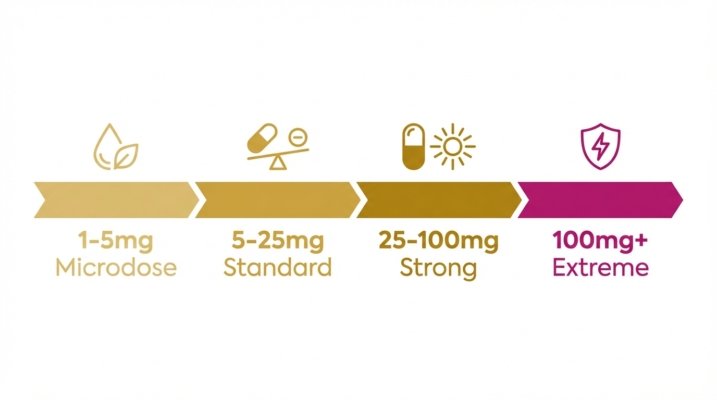
You can expect mild symptom relief and subtle functional benefits from a 1mg to 5mg microdose. According to Leafly’s dosage guide, 1 to 2.5mg THC provides mild relief of pain, stress, and anxiety while increasing focus and creativity, with most users feeling no intoxication at this dose. At the 3 to 5mg range, effects become slightly more noticeable:
This tier is ideal for beginners and anyone seeking functional benefits without a strong psychoactive experience. For most first-time users, starting at 2.5mg and waiting at least two hours before redosing is the safest approach.
You can expect noticeable psychoactive effects and meaningful symptom relief from a 5mg to 25mg standard dose. The 10 to 15mg range delivers effective relief for pain, nausea, and anxiety, though coordination becomes impaired and perception shifts noticeably. Moving up to 20 to 25mg intensifies these effects considerably:
This range suits experienced consumers who have already established their individual tolerance. Jumping from 5mg to 25mg without prior experience at lower tiers significantly increases the risk of an uncomfortable experience.
You can expect seriously impaired coordination and a heightened possibility of adverse side effects from a 25mg to 100mg strong dose. At the 50 to 100mg level, the likelihood of nausea, anxiety, and increased heart rate rises substantially. Effects at this tier include:
Only consumers with well-established, high tolerance should consider this range. Even seasoned users often find that doses above 50mg produce diminishing returns in terms of enjoyable effects while sharply increasing discomfort.
You can expect intensely impaired coordination and perception from 100mg to 500mg and above, with a high likelihood of unpleasant side effects. Leafly classifies this as the “extremely high” tier, noting the strong probability of nausea, anxiety, and increased heart rate. At these levels, the experience often becomes overwhelming rather than enjoyable, even for experienced users.
Doses in this range are sometimes found in high-potency edible packages designed for portioning, not single-session consumption. Anyone encountering a 1000mg edible product should recognize it as a multi-dose package requiring careful division into smaller, manageable servings.
With dosage tiers clarified, understanding what happens during overconsumption becomes the next priority.
Taking too much THC from an edible causes a range of physical and psychological side effects that can last significantly longer than those from inhaled cannabis. The sections below cover physical symptoms, psychological reactions, and expected duration.
The physical side effects of overconsumption include a spectrum of symptoms ranging from uncomfortable to potentially serious. According to the American Addiction Centers, adverse effects associated with edible consumption include drowsiness, vomiting, impaired motor ability, respiratory depression, and heart problems ranging from irregular heartbeat to heart attack.
Additional physical symptoms often reported:
Because edible THC passes through the liver before reaching the bloodstream, the body converts delta-9 THC into 11-hydroxy-THC, a more potent metabolite. This conversion intensifies physical effects compared to smoking, making overconsumption from edibles particularly uncomfortable. Most physical symptoms resolve without medical intervention, but chest pain or difficulty breathing warrants a call to 911.
The psychological side effects of overconsumption are often more distressing than the physical symptoms. Anxiety, panic attacks, paranoia, hallucinations, and psychotic episodes are all documented responses to excessive THC intake.
These reactions occur because high doses of THC overstimulate cannabinoid receptors in brain regions that regulate mood, fear, and perception. Common psychological effects include:
For most people, these psychological effects are temporary and not dangerous, though they can feel overwhelming in the moment. Staying in a calm, familiar environment and reminding yourself the effects will pass are the most effective coping strategies during an episode.
The effects of an edible overdose last considerably longer than those from inhaled cannabis, typically persisting for 6 to 12 hours, with residual grogginess extending into the next day. According to research published in The Permanente Journal, THC is highly lipid soluble and rapidly taken up by fat tissue, with a plasma half-life of 1 to 3 days in occasional users and 5 to 13 days in chronic users.
Several factors influence duration:
The delayed onset of edibles, often 1 to 2 hours, also means peak intensity arrives well after consumption. This slow timeline is precisely why overconsumption happens so frequently; users take a second dose before the first one fully activates. Understanding dosage tiers and safe portioning practices helps prevent these prolonged, uncomfortable experiences.
Several factors influence how a 1000mg edible affects you, including body weight, metabolism, prior cannabis tolerance, and food intake. Each variable shapes THC absorption, onset timing, and intensity.
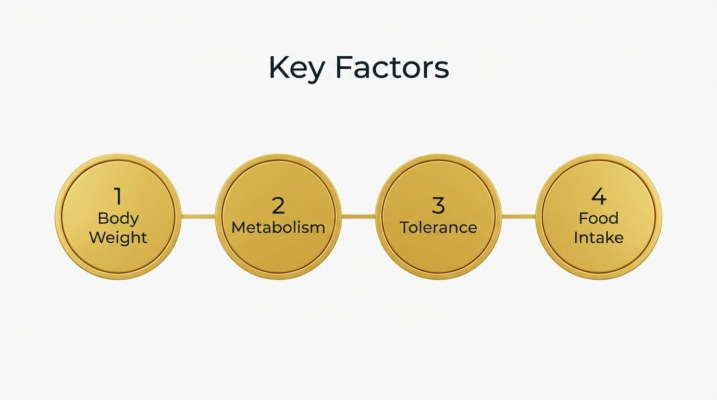
Body weight affects edible tolerance by influencing how THC distributes throughout the body. THC is highly lipid soluble, meaning it is rapidly taken up by fat tissue. Individuals with higher body fat percentages may experience a slower onset as THC disperses into adipose stores, while leaner individuals often feel effects more quickly. However, body weight alone does not determine intensity. Two people at the same weight can react very differently based on their endocannabinoid system sensitivity. This is why starting with a small portion of any high-potency package remains critical regardless of size.
Individual metabolism changes the experience by altering how quickly the liver converts THC into its active metabolite, 11-hydroxy-THC. Faster metabolizers process edibles more rapidly, often feeling effects sooner but for a shorter duration. Slower metabolizers may wait longer for onset yet experience prolonged, sometimes more intense effects. According to a study published in The Permanente Journal, the bioavailability of ingested THC is only 4% to 12%, with cytochrome P450 enzymes CYP3A4 and CYP2C9 playing key roles in cannabinoid metabolism. Genetic variation in these liver enzymes explains much of the unpredictability people encounter with edibles, making personalized dosing essential.
Prior cannabis tolerance alters the effects by reducing the sensitivity of cannabinoid receptors over time. Regular users develop downregulated CB1 receptors, requiring higher doses to achieve the same intensity. For someone with significant tolerance, a divided portion from a 1000mg package may produce moderate effects, while the same amount could overwhelm a newcomer. The CDC warns that cannabis products should always be stored in locked, childproof containers and kept out of reach of children and pets, reinforcing that even experienced users must handle high-potency products responsibly. Tolerance is never a fixed trait; breaks in use can reset sensitivity substantially.
Eating before taking an edible does change absorption. Consuming a meal, particularly one containing dietary fat, can enhance THC uptake because THC is lipid soluble and absorbs more efficiently alongside fatty foods. A full stomach generally slows onset, sometimes delaying effects by 30 to 90 minutes compared to dosing on an empty stomach. This delayed onset catches many users off guard, leading them to take additional portions too soon. For high-potency products like a 1000mg package, eating beforehand provides a more gradual, controlled experience. Understanding how food timing interacts with THC absorption helps you dose a 1000mg edible package more safely.
When selecting high-potency edible packages, look for brands that provide comprehensive dosing guidance and verified lab results for each batch. IndaCloud, for example, includes detailed per-serving information and third-party testing documentation with all products, making it easier to calculate safe portions from larger packages.
You should safely dose a 1000mg edible package by dividing it into precise, measured portions and increasing your intake gradually. The following subsections cover portioning methods, the start low and go slow approach, and proper timing between doses.
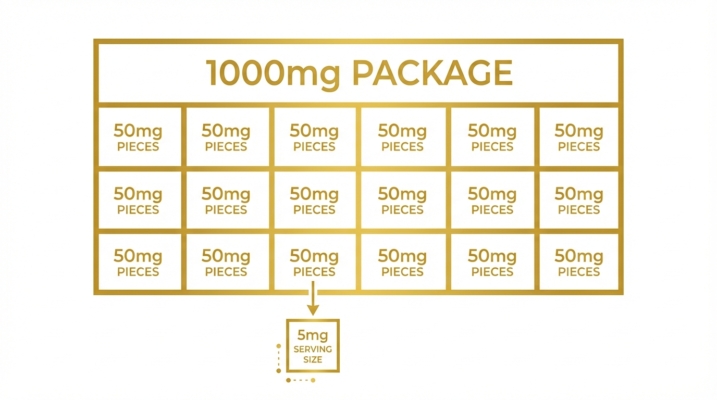
You divide a 1000mg edible into safe portions by calculating the THC content per piece based on the total package dose. As Health Canada explains, if a package states its total THC content, you divide that number by the number of individual pieces to find the per-unit dose.
For a 1000mg package, the math works like this:
Even one piece from a 20-piece package delivers a dose considered “very high” by standard dosage tiers. A kitchen scale or precise cutting tool helps subdivide individual pieces further. For most people, aiming for portions between 5mg and 10mg means cutting a single 50mg piece into five to ten smaller segments.
The start low and go slow method is important because ingested THC has a bioavailability of only 4% to 12%, according to a study published in The Permanente Journal. This low absorption rate means effects build unpredictably, and taking too much before onset leads to uncomfortable overconsumption.
Starting at 2.5mg to 5mg gives your body time to process THC through first-pass liver metabolism, where it converts into 11-hydroxy-THC, a more potent metabolite. Because this conversion happens gradually, the full intensity of an edible can surprise even experienced users who rush the process. Patience during this window is the single most effective harm-reduction strategy available with high-potency packages.
You should wait at least two hours before taking another dose. Edible onset varies widely depending on metabolism, stomach contents, and individual tolerance, but effects typically begin between 30 and 90 minutes after ingestion and can continue intensifying for up to two hours.
Redosing before that full window passes is the most common cause of overconsumption. Many users feel nothing at the one-hour mark, take more, and then experience the combined effects of both doses simultaneously. Keeping a written log of timing and milligrams consumed helps track your response accurately across sessions.
With a clear dosing strategy established, knowing what to do if effects become overwhelming provides an essential safety net.
If you feel too high from an edible, you should stay calm, move to a comfortable environment, hydrate, and wait for the effects to pass. The following strategies can help you manage discomfort safely.
For most people, riding out the experience with patience is the most effective approach. Keeping a trusted friend nearby provides reassurance, and chewing black peppercorns is a widely reported home remedy some users find calming. With safe dosing habits established beforehand, these situations become far less likely to occur.
Hemp-derived THC edibles differ from dispensary edibles primarily in legal classification and source plant, not in potency or effects. The sections below cover federal legality and whether hemp-derived THC is less potent.
Yes, hemp-derived THC edibles are federally legal in the U.S. under specific conditions. The 2018 Farm Bill legalized hemp and hemp-derived products containing less than 0.3% delta-9 THC by dry weight. Because the bill focuses explicitly on delta-9 THC concentration rather than total milligrams per package, hemp-derived edibles that meet this threshold can be sold without a dispensary license.
According to Healthline, delta-8 and delta-10 products derived from hemp also fall into a legal gray zone since the Farm Bill’s language targets only delta-9. State laws vary significantly, though, so consumers should verify local regulations before purchasing. This federal framework is what allows compliant brands to ship lab-tested THC edibles directly to customers across the continental United States.
The THC in hemp-derived edibles is not less potent than THC in dispensary edibles. Potency by milligram is equivalent: a 10mg hemp-derived delta-9 gummy delivers the same active compound as a 10mg dispensary delta-9 gummy, as noted by Mellow Fellow. The molecular structure of delta-9 THC is identical regardless of whether it originates from hemp or marijuana.
Bioavailability depends on formulation, not the source plant. Factors like fat content, nano-emulsification, and ingredient composition determine how much THC your body actually absorbs. Both hemp-derived and dispensary edibles carry the same risk profile at equivalent doses, including drowsiness, anxiety, impaired coordination, and other adverse effects at high milligram levels. For anyone evaluating a 1000mg package, the sourcing distinction changes nothing about safe dosing practices.
You can choose the right edible potency by assessing your tolerance level, defining your desired effects, and starting with the lowest effective dose. The sections below cover how IndaCloud’s lab-tested products support safe dosing and the key takeaways for 1000mg edible safety.
Yes, IndaCloud’s lab-tested THC edibles can help you find a safe dose. Every IndaCloud product undergoes third-party lab testing that verifies exact cannabinoid content per serving, removing the guesswork that leads to overconsumption. This matters because potency accuracy is what separates a controlled experience from an unpredictable one.
IndaCloud organizes edibles by potency level and desired effect, so you can match a product to your tolerance. A 2024 study published in PLOS ONE analyzing 684 participants found that potency was the most relevant attribute driving edible preferences, with roughly 35% of consumers basing choices almost entirely on THC potency. That finding reinforces why clear per-serving milligram labeling, which IndaCloud provides on every product, is essential for informed dosing decisions.
IndaCloud’s product organization system allows customers to filter by both potency level and desired effect, which addresses the practical challenge of matching THC dose to intended experience, particularly important when working with concentrated packages that require portioning.
The key takeaways about 1000mg edible safety and dosing are:
For anyone exploring THC edibles, choosing clearly labeled, lab-verified products from reputable sources offers a reliable starting point for building a safe, personalized dosing routine.
Cannabis edibles are cannabinoid-infused food and beverage products that deliver THC or CBD through…
Learn more
Trolli edibles bring a fun, nostalgic twist to cannabis treats, combining the classic chewy…
Learn more
Hybrid edibles continue to gain attention as more consumers look for cannabis experiences that…
Learn more
Edibles are supposed to deliver a slow, powerful high, but for some people, nothing…
Learn more


