


Edibles

Why Don’t Edibles Work For Me? 10 Possible Reasons and Solutions
Cannabis edibles are cannabinoid-infused food and beverage products that deliver THC or CBD through…
Learn more
You must be 21+ to enter this site
 FREE SHIPPING $89+
 FREE SODA ON $120+
 100% FEDERALLY LEGAL
 LAB TESTED FOR PURITY
FREE SHIPPING $89+
FREE SODA ON $120+
100% FEDERALLY LEGAL
LAB TESTED FOR PURITY
FREE SHIPPING $89+
FREE SODA ON $120+
100% FEDERALLY LEGAL
LAB TESTED FOR PURITY
FREE SHIPPING $89+
FREE SODA ON $120+
100% FEDERALLY LEGAL
LAB TESTED FOR PURITY
FREE SHIPPING $89+
FREE SODA ON $120+
100% FEDERALLY LEGAL
LAB TESTED FOR PURITY
FREE SHIPPING $89+
FREE SODA ON $120+
100% FEDERALLY LEGAL
LAB TESTED FOR PURITY
LAB TESTED FOR PURITY
FREE SHIPPING $89+
FREE SODA ON $120+
100% FEDERALLY LEGAL
LAB TESTED FOR PURITY
FREE SHIPPING $89+
FREE SODA ON $120+
100% FEDERALLY LEGAL
LAB TESTED FOR PURITY
FREE SHIPPING $89+
FREE SODA ON $120+
100% FEDERALLY LEGAL
LAB TESTED FOR PURITY
FREE SHIPPING $89+
FREE SODA ON $120+
100% FEDERALLY LEGAL
LAB TESTED FOR PURITY
FREE SHIPPING $89+
FREE SODA ON $120+
100% FEDERALLY LEGAL
LAB TESTED FOR PURITY

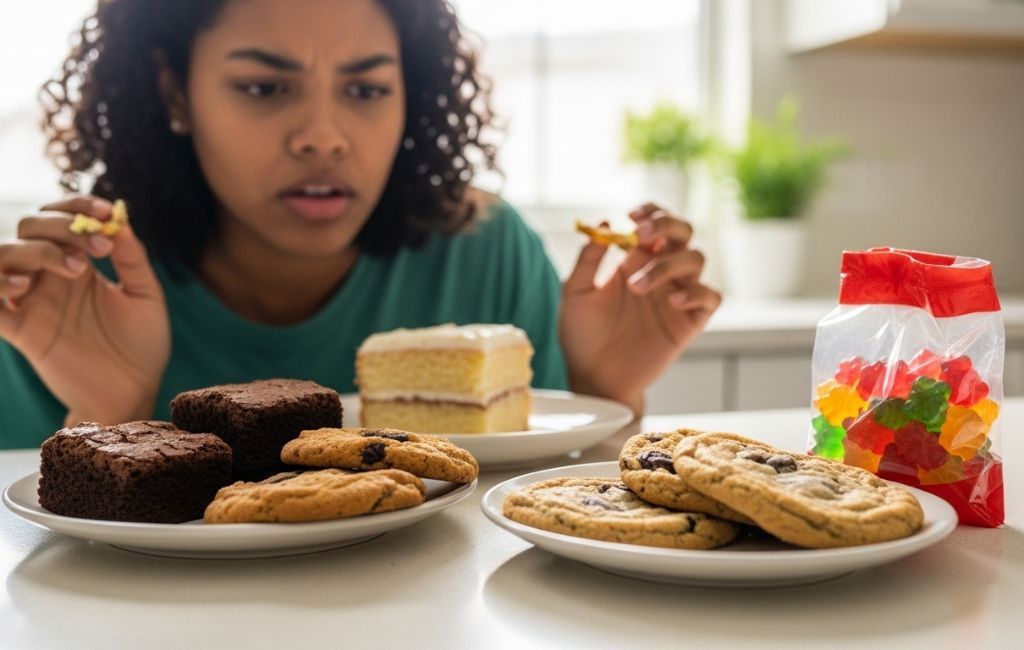
Edibles are supposed to deliver a slow, powerful high, but for some people, nothing happens. After waiting 30 minutes and even up to 2 hours, it can feel frustrating to wonder why edibles don’t work while others clearly feel the effects. This common experience leaves many asking why cannabis edibles work for some but seem to do nothing for others.
Edibles sound simple, eat one and wait to feel high. When nothing happens, the experience can feel confusing and disappointing. The answer usually comes down to how the body processes cannabis edibles and why they work differently for each person.
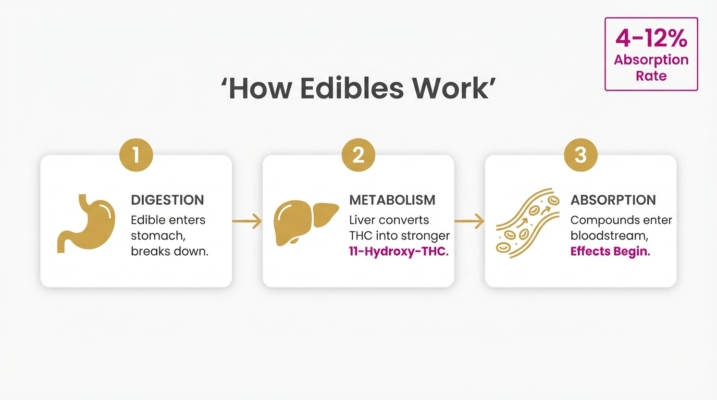
One of the most common reasons why edibles don’t work is the way the body metabolizes THC. After consuming the edible, THC moves through the digestive system and reaches the liver. A specific liver enzyme converts THC into a different cannabinoid before it can enter the bloodstream. Some people break down THC too quickly or inefficiently, which can make it hard to feel the effects of edibles. This difference in the way you metabolize cannabis plays a major role in how strong the psychoactive effect feels.
People with frequent experience with cannabis often develop a high THC tolerance. Smoking or vaping cannabis regularly can raise that tolerance, making THC edibles feel weak or ineffective. In these cases, edibles may not work as well because the body is already used to higher doses of THC products. Someone who has never tried edibles may feel strong effects, while an experienced user may feel nothing at all.
Edibles can take between 30 minutes and 2 hours to work, and sometimes even longer. Many people expect fast results similar to smoking and vaping. Because edibles take time to digest, feeling the effects of cannabis edibles requires patience. Eating more too soon can also lead to delayed but intense effects later, which surprises many users.
Consuming an edible on an empty stomach can affect how edibles work. For some people, digestion happens too quickly, which reduces how much THC enters the bloodstream. Others may feel stronger effects, but many report inconsistent results. Digestive health and conditions like irritable bowel syndrome can also interfere with absorption and make edibles not work as expected.
Problems within the digestive system can limit how well the body absorbs cannabinoids. Conditions such as irritable bowel syndrome, enzyme deficiencies, or other digestive concerns can prevent THC from edibles from being fully processed. When cannabinoids fail to build up in their system, users may not feel anything even after consuming the edible properly.
Not all cannabis products are created equally. Some cannabis edibles from a dispensary may contain less THC than advertised or may be unevenly mixed. Gummies, baked goods, and other edibles like these can vary in potency. When the dose is lower than expected, it can seem like edibles aren’t working at all.
Edibles that contain THC and CBD together may feel weaker. CBD can reduce the psychoactive effect of THC for some people. While this combination works well for medical cannabis and medical marijuana users seeking relief, it may not deliver the desired effect for those trying to get high from edibles.
Smoking or vaping cannabis delivers THC directly into the bloodstream through the lungs. Edibles work differently and rely on digestion instead. People who are used to smoking and vaping may feel that edibles don’t work because the effects feel slower, heavier, or less noticeable at first.
For those who cannot feel the effects from edibles, alternatives to edibles may help. Sublingual options like a tincture allow cannabinoids to enter the bloodstream faster. Vaping, smoking, or trying different cannabis products to try may offer more consistent results depending on personal cannabis consumption patterns.
Edibles affect the human body through a slower and more complex process than smoking or vaping cannabis. After someone consumes edibles, the THC travels through the digestive system and is absorbed into the bloodstream through digestion rather than the lungs.
The liver then uses a liver enzyme to metabolize cannabis, converting THC into 11 hydroxy THC, a more potent psychoactive compound. This transformation changes how people feel the effects of cannabis edibles, often making the effects from edibles feel stronger, longer lasting, and more body focused.
Because edibles take time to digest and enter the bloodstream, edibles can take longer to produce noticeable effects, but those effects of an edible may build up and persist as cannabinoids circulate through the body.
Getting the most out of cannabis edibles often comes down to timing, dosage, and understanding how edibles work in the body. Small adjustments in how edibles are consumed can make a noticeable difference in feeling the desired effects.
Edibles not working usually has less to do with the product and more to do with timing, digestion, and individual biology. Understanding how cannabis edibles work makes it easier to adjust expectations and find a format that delivers the desired effect.
Learning high quality options and formats from a trusted dispensary, like finding cannabis products that fit your body, can make all the difference in finally feeling the effects.
Yes, regular cannabis consumption can cause the body to adapt. Over time, THC products may seem to work less effectively as tolerance builds, especially when edibles are used frequently without breaks.
Body weight can influence how THC is distributed once it enters the bloodstream. People with higher body fat percentages may experience delayed or muted effects because cannabinoids can be stored in fat tissue before circulating.
Dehydration can slow digestion and circulation, which may delay or reduce the effects from edibles. Proper hydration supports normal digestion and helps cannabinoids move through the body more efficiently.
Yes, edibles like gummies, chocolates, baked goods, and drinks can affect absorption speed. Liquids and soft chews may digest faster than dense foods, which can change how quickly the effects of an edible are felt.
Mental state plays a role in cannabis experiences. High stress, anxiety, or distraction can make it harder to notice subtle psychoactive effects, leading some people to think edibles aren’t working even when they are.
Cannabis edibles are cannabinoid-infused food and beverage products that deliver THC or CBD through…
Learn more
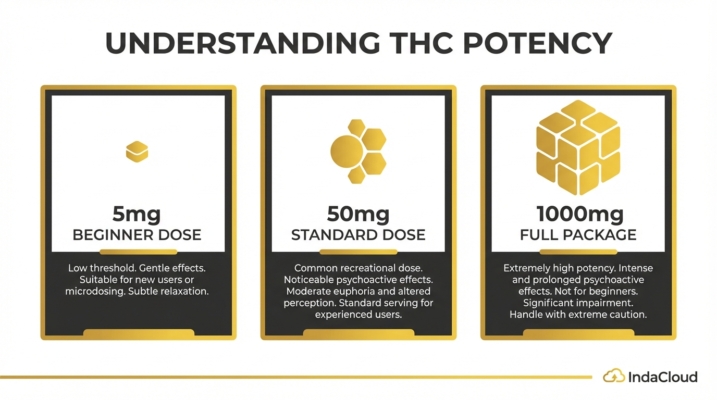
A 1000mg THC edible is a multi-serving package containing one thousand milligrams of tetrahydrocannabinol…
Learn more
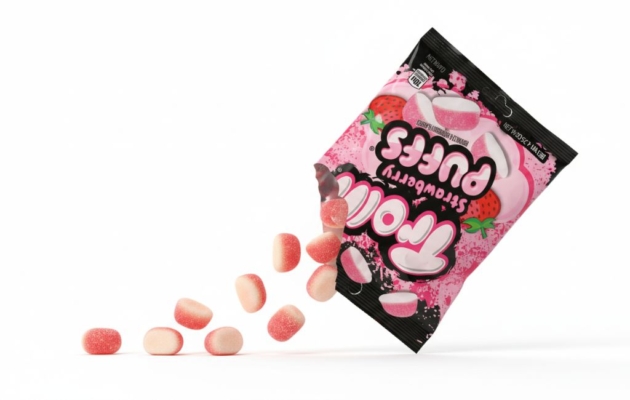
Trolli edibles bring a fun, nostalgic twist to cannabis treats, combining the classic chewy…
Learn more
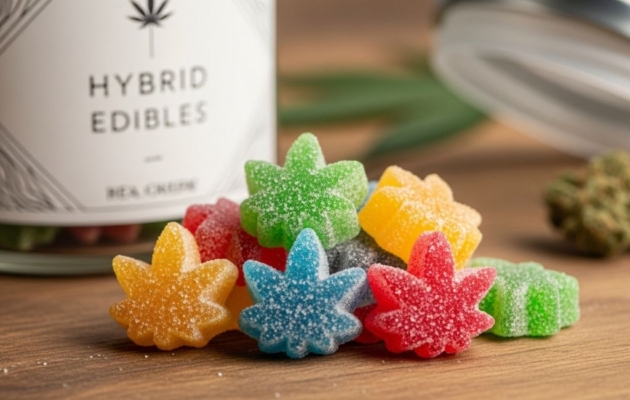
Hybrid edibles continue to gain attention as more consumers look for cannabis experiences that…
Learn more


