


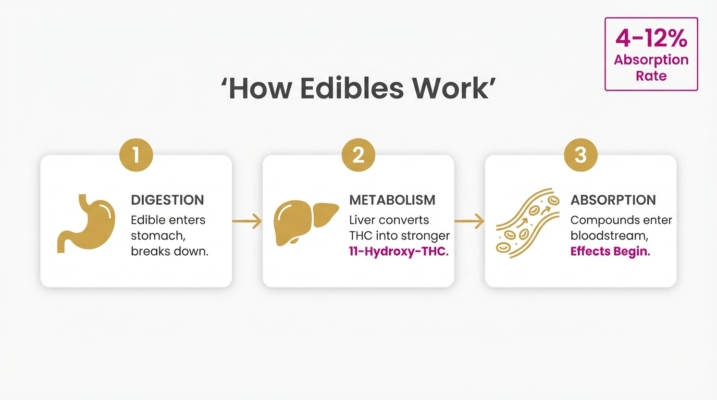
Edibles

Why Don’t Edibles Work For Me? 10 Possible Reasons and Solutions
Cannabis edibles are cannabinoid-infused food and beverage products that deliver THC or CBD through…
Learn more
You must be 21+ to enter this site
 FREE SHIPPING $89+
 FREE SODA ON $120+
 100% FEDERALLY LEGAL
 LAB TESTED FOR PURITY
FREE SHIPPING $89+
FREE SODA ON $120+
100% FEDERALLY LEGAL
LAB TESTED FOR PURITY
FREE SHIPPING $89+
FREE SODA ON $120+
100% FEDERALLY LEGAL
LAB TESTED FOR PURITY
FREE SHIPPING $89+
FREE SODA ON $120+
100% FEDERALLY LEGAL
LAB TESTED FOR PURITY
FREE SHIPPING $89+
FREE SODA ON $120+
100% FEDERALLY LEGAL
LAB TESTED FOR PURITY
FREE SHIPPING $89+
FREE SODA ON $120+
100% FEDERALLY LEGAL
LAB TESTED FOR PURITY
LAB TESTED FOR PURITY
FREE SHIPPING $89+
FREE SODA ON $120+
100% FEDERALLY LEGAL
LAB TESTED FOR PURITY
FREE SHIPPING $89+
FREE SODA ON $120+
100% FEDERALLY LEGAL
LAB TESTED FOR PURITY
FREE SHIPPING $89+
FREE SODA ON $120+
100% FEDERALLY LEGAL
LAB TESTED FOR PURITY
FREE SHIPPING $89+
FREE SODA ON $120+
100% FEDERALLY LEGAL
LAB TESTED FOR PURITY
FREE SHIPPING $89+
FREE SODA ON $120+
100% FEDERALLY LEGAL
LAB TESTED FOR PURITY

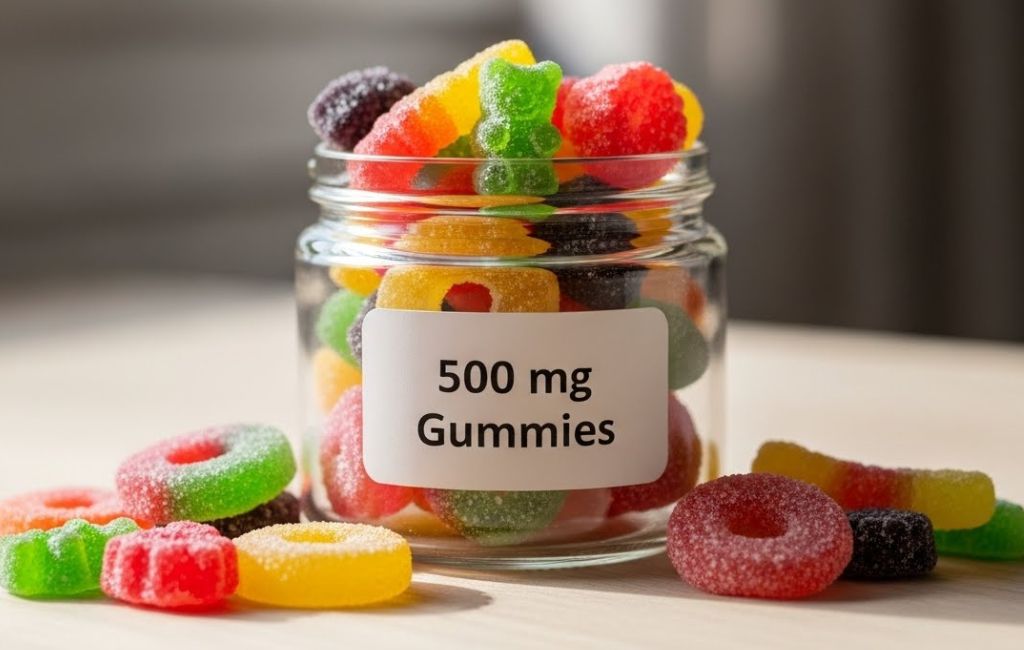
Accidentally eating a very strong edible can turn a normal moment into a rush of confusion and worry once the THC starts to feel intense. Many people who ingest a large cannabis edible feel unsettled, frightened, or overwhelmed as the effects build.
If someone takes too much THC and starts to notice uncomfortable sensations, they can still move through the experience with steady steps that support safety, comfort, and a clearer sense of what comes next.
People cannot fatally overdose on edibles in the way they might with certain other substances, but they can experience a cannabis overdose that feels extremely intense and frightening.
Taking too much THC in an edible can lead to strong adverse effects like vomiting, paranoia, hallucination, confusion, and a rapid heart rate. These symptoms can feel overwhelming, yet they usually pass with time and supportive care.
If symptoms become severe or someone cannot stay awake or oriented, seek medical help right away.
Accidentally eating an extremely high dose of an edible can feel terrifying once the THC surges. The effects may come in fast waves that make it hard to think clearly, but there are steady, practical steps that help people stay safer and more grounded while the body metabolizes the cannabis product.
Intense effects of THC can create panic, racing thoughts, and a sense of losing control. Slow breathing and grounding techniques like naming objects in the room can help settle the mind. Remind yourself that edible consumption takes time to peak and the sensations will pass as your body processes the THC.
Drinking water or a non caffeinated beverage helps counter dryness and supports general comfort. Sitting or lying in a quiet space with soft lighting reduces overstimulation. Some people find that light snacks ease nausea or unsettled feelings linked to high THC levels.
Many consumers take additional edible products because they do not feel the effects quickly. Since edibles take longer to hit, give your body time to process what you already ingested. Avoid eating anything else containing THC, as doing so may intensify unwanted effects.
If symptoms like paranoia, vomiting, intense hallucination, or confusion appear, it helps to have someone nearby who can stay calm and keep watch. They can reassure you, track time, and contact help if your condition changes.
Combining edible cannabis with alcohol or other substances can heighten adverse effects and make overdose symptoms feel more severe. Stick to water or simple foods while you ride out the experience.
A cannabis overdose can include symptoms like extreme disorientation, shallow breathing, or inability to stay awake. If these signs appear, or if a child eats an edible or consumes a very high amount of THC, seek medical help immediately. Emergency teams are familiar with edible marijuana dangers and can provide safe, appropriate care.
Edibles affect the body longer than smoked cannabis because the ingredient THC is processed through the liver. Effects of edible cannabis vary, yet most people begin to feel more stable as their system gradually clears excess THC. Remind yourself that this uncomfortable period is temporary.
Many consumers enjoy edible products, but the effects of THC in edibles often feel stronger and last longer than expected. A little preparation helps people use cannabis edibles more safely and avoid unwanted effects.
When someone takes too much of an edible cannabis product, the experience can feel intense and long lasting because the body processes THC through the liver. There is no instant way to remove edibles from your system, but there are supportive steps that help the body move through the effects more smoothly.
A high dose of an edible can turn into an overwhelming experience, but it helps to remember that the intense sensations fade as the body processes the THC. With patience, calm support, and simple comfort measures, most people move through the effects safely.
If you want more guidance on staying informed and prepared, you can check out this helpful resource for added support as you learn how to use cannabis edibles more confidently and responsibly.
Most strong edibles fade within 8 to 12 hours, but lingering grogginess or fogginess can last longer as the body continues to clear the THC.
Yes, factors like sleep, stress, stomach contents, and overall cannabis use can change how intensely an edible hits on different days.
A warm or cool shower can help you relax and reduce tension, but it does not speed up THC removal. It simply offers comfort.
Yes, homemade edibles often contain uneven amounts of THC, which increases the chance of taking too much without realizing it.
It is usually safe for an adult to sleep once the peak has passed and they feel stable. Someone nearby should stay alert if the person is extremely disoriented or hard to wake.
They can, since the body processes edible THC differently. The compound may remain detectable for a longer period depending on frequency of cannabis use.
Caffeine may make some people feel more awake, but it can raise anxiety in others. It does not reduce THC levels.
Edibles convert THC into a more potent compound during digestion, which can produce deeper and longer lasting effects than inhaled cannabis.
Cannabis edibles are cannabinoid-infused food and beverage products that deliver THC or CBD through…
Learn more
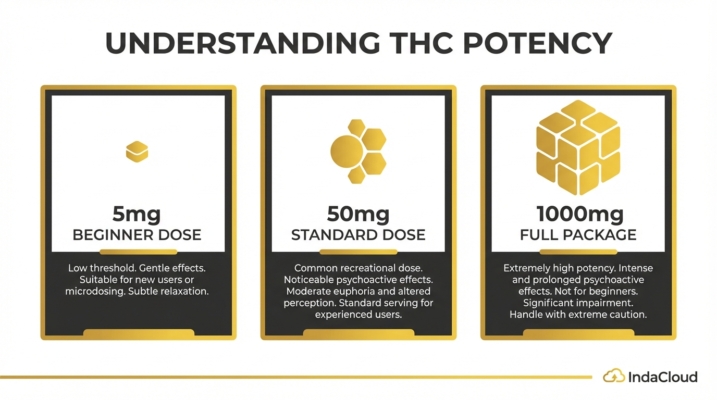
A 1000mg THC edible is a multi-serving package containing one thousand milligrams of tetrahydrocannabinol…
Learn more
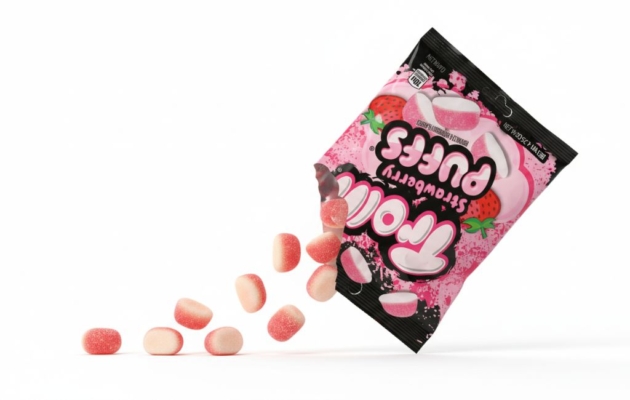
Trolli edibles bring a fun, nostalgic twist to cannabis treats, combining the classic chewy…
Learn more
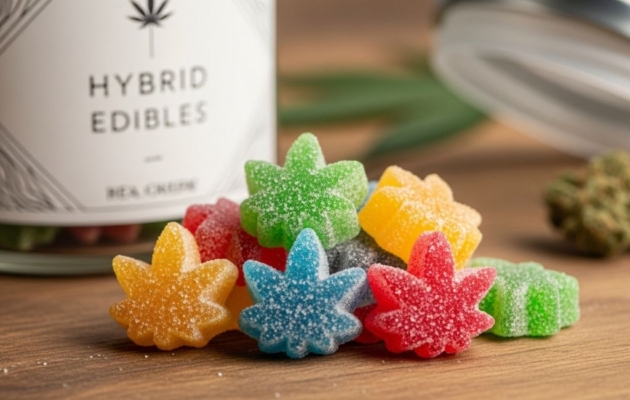
Hybrid edibles continue to gain attention as more consumers look for cannabis experiences that…
Learn more


