


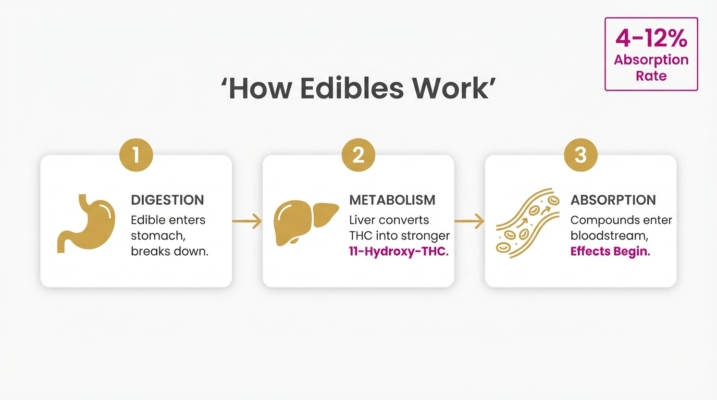
Edibles

Why Don’t Edibles Work For Me? 10 Possible Reasons and Solutions
Cannabis edibles are cannabinoid-infused food and beverage products that deliver THC or CBD through…
Learn more
You must be 21+ to enter this site
 FREE SHIPPING $89+
 FREE SODA ON $120+
 100% FEDERALLY LEGAL
 LAB TESTED FOR PURITY
FREE SHIPPING $89+
FREE SODA ON $120+
100% FEDERALLY LEGAL
LAB TESTED FOR PURITY
FREE SHIPPING $89+
FREE SODA ON $120+
100% FEDERALLY LEGAL
LAB TESTED FOR PURITY
FREE SHIPPING $89+
FREE SODA ON $120+
100% FEDERALLY LEGAL
LAB TESTED FOR PURITY
FREE SHIPPING $89+
FREE SODA ON $120+
100% FEDERALLY LEGAL
LAB TESTED FOR PURITY
FREE SHIPPING $89+
FREE SODA ON $120+
100% FEDERALLY LEGAL
LAB TESTED FOR PURITY
LAB TESTED FOR PURITY
FREE SHIPPING $89+
FREE SODA ON $120+
100% FEDERALLY LEGAL
LAB TESTED FOR PURITY
FREE SHIPPING $89+
FREE SODA ON $120+
100% FEDERALLY LEGAL
LAB TESTED FOR PURITY
FREE SHIPPING $89+
FREE SODA ON $120+
100% FEDERALLY LEGAL
LAB TESTED FOR PURITY
FREE SHIPPING $89+
FREE SODA ON $120+
100% FEDERALLY LEGAL
LAB TESTED FOR PURITY
FREE SHIPPING $89+
FREE SODA ON $120+
100% FEDERALLY LEGAL
LAB TESTED FOR PURITY

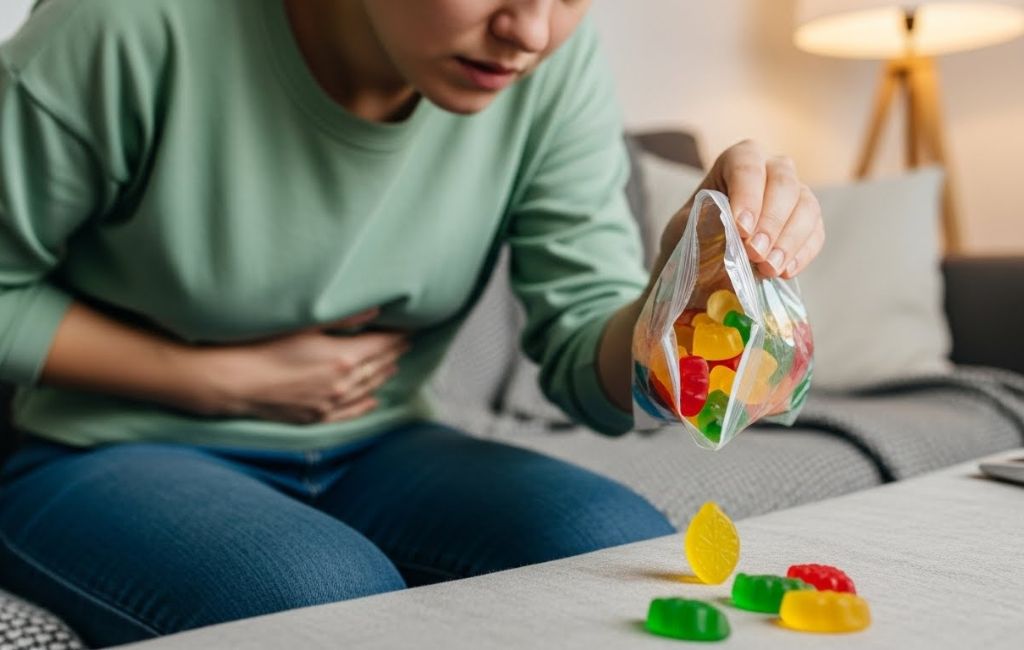
Edibles can feel appealing, but the effects of edibles often surprise people, especially those new to cannabis. Because edibles take longer to kick in, consuming too much THC can lead to nausea, dizziness, and feeling sick hours later. Understanding why edibles cause nausea helps people take calm, practical steps to help your body recover and feel better.
Edibles can feel simple to use, but the effects of edibles often arrive stronger and later than expected. When nausea and dizziness set in, taking the right steps can help ease discomfort and support recovery.
The first step is to stop using marijuana immediately. Consuming edibles on top of existing effects can worsen nausea and vomiting, especially after consuming too much THC. Edibles don’t work like smoking, since edibles take longer to kick in and last quite a bit, sometimes as long as 8 hours or more.
Feeling anxious can intensify symptoms like nausea and dizziness. A quiet, dim space helps counteract overstimulation from THC’s effects. Resting allows the psychoactive effects to pass more comfortably and reduces the risk of greening out.
Vomiting and prolonged nausea can lead to severe dehydration. Small sips of water or electrolyte drinks help your body recover from edibles. Avoid alcohol, which can worsen dizziness and nausea.
Plain foods like crackers or toast may help ease nausea for some people. Eating lightly can help your body process the cannabis product more steadily, especially after consuming an edible with much THC.
Some people find relief with antihistamines such as meclizine to reduce nausea and dizziness. These options may help reduce nausea, but they should only be used as directed and avoided if they cause drowsiness that feels unsafe.
Slow breathing can help manage the state of feeling overwhelmed. Grounding techniques help you feel better during an unpleasant edible experience and support mental calm while the effects from edibles wear off.
Edibles last longer than many expect, and edible effects can linger through the night or day. Let the effects pass without adding more substances. Trying to counteract THC with more cannabis or CBD may not always help and can complicate recovery.
Seek medical attention if nausea and vomiting do not stop, if prolonged vomiting occurs, or if symptoms like severe dehydration appear. Repeated episodes may signal cannabinoid hyperemesis syndrome, a condition linked to long term cannabis use that requires medical help and stopping cannabis.
Understanding edible dose, THC content, and how long edibles take helps prevent future problems. Many edibles contain more THC than expected, and new to edibles or new to cannabis are still figuring out how their body responds. Guidance for cannabis use near a counseling center or substance use support service can help manage use safely or explore assistance for cannabis use if stopping feels difficult.
Feeling nauseated after eating edibles is more common than many people expect. The way edibles work in the body can trigger uncomfortable reactions, especially when THC levels rise higher or last longer than anticipated.
Cannabis edibles can offer long lasting effects, but nausea can take away from the experience. Simple preparation and mindful use can help reduce nausea and support a more comfortable edible experience.
Edibles can be part of a positive experience when approached with care and intention. Focusing on responsible edibles consumption, from dosing slowly to understanding THC content, helps reduce nausea and other unwanted effects, and those looking to build safer habits can learn more about responsible edibles use to make informed, confident choices.
CBD may help reduce nausea for some people by moderating THC’s effects, but results vary. Taking CBD after consuming too much THC does not guarantee relief and may still prolong edible effects.
Waiting several days allows the body to fully recover and helps reset tolerance. Taking edibles again too soon increases the risk of nausea, dizziness, and repeating unpleasant effects.
Lower THC edibles and products with balanced cannabinoid profiles tend to cause fewer issues. High sugar or high fat edibles may upset digestion and increase nausea for some individuals.
Sleep can help ease discomfort by allowing THC’s effects to wear off naturally. Rest supports recovery as long as symptoms remain mild and hydration is maintained.
Stopping use is recommended if nausea occurs repeatedly, daily functioning becomes difficult, or symptoms like prolonged vomiting appear. Ongoing issues may signal a deeper problem that benefits from medical or substance use support.
Cannabis edibles are cannabinoid-infused food and beverage products that deliver THC or CBD through…
Learn more
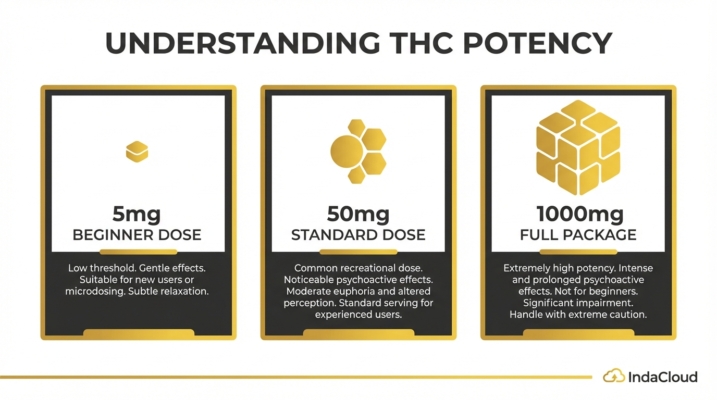
A 1000mg THC edible is a multi-serving package containing one thousand milligrams of tetrahydrocannabinol…
Learn more
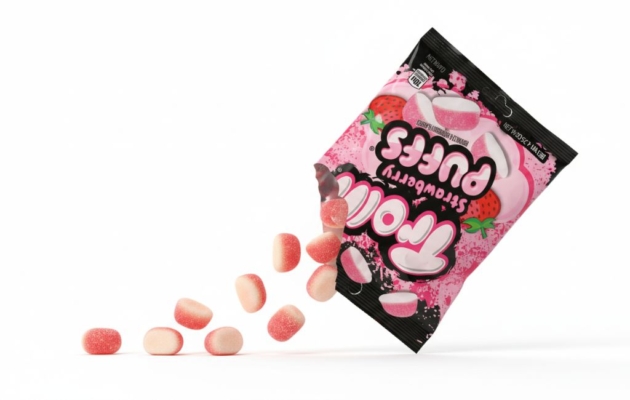
Trolli edibles bring a fun, nostalgic twist to cannabis treats, combining the classic chewy…
Learn more

Hybrid edibles continue to gain attention as more consumers look for cannabis experiences that…
Learn more


