


Edibles

Why Don’t Edibles Work For Me? 10 Possible Reasons and Solutions
Cannabis edibles are cannabinoid-infused food and beverage products that deliver THC or CBD through…
Learn more
You must be 21+ to enter this site
 FREE SHIPPING $89+
 FREE SODA ON $120+
 100% FEDERALLY LEGAL
 LAB TESTED FOR PURITY
FREE SHIPPING $89+
FREE SODA ON $120+
100% FEDERALLY LEGAL
LAB TESTED FOR PURITY
FREE SHIPPING $89+
FREE SODA ON $120+
100% FEDERALLY LEGAL
LAB TESTED FOR PURITY
FREE SHIPPING $89+
FREE SODA ON $120+
100% FEDERALLY LEGAL
LAB TESTED FOR PURITY
FREE SHIPPING $89+
FREE SODA ON $120+
100% FEDERALLY LEGAL
LAB TESTED FOR PURITY
FREE SHIPPING $89+
FREE SODA ON $120+
100% FEDERALLY LEGAL
LAB TESTED FOR PURITY
LAB TESTED FOR PURITY
FREE SHIPPING $89+
FREE SODA ON $120+
100% FEDERALLY LEGAL
LAB TESTED FOR PURITY
FREE SHIPPING $89+
FREE SODA ON $120+
100% FEDERALLY LEGAL
LAB TESTED FOR PURITY
FREE SHIPPING $89+
FREE SODA ON $120+
100% FEDERALLY LEGAL
LAB TESTED FOR PURITY
FREE SHIPPING $89+
FREE SODA ON $120+
100% FEDERALLY LEGAL
LAB TESTED FOR PURITY
FREE SHIPPING $89+
FREE SODA ON $120+
100% FEDERALLY LEGAL
LAB TESTED FOR PURITY


Sometimes an edible hits harder or lasts longer than you expected, and you suddenly realize you’ve consumed too much. If you’re feeling the effects of edibles more intensely than you planned, you’re not alone — many people consume edibles and later wonder how to recover from edibles quickly.
The good news is that with a few simple steps that help your body recover, you can ride it out more comfortably and start feeling more sober again. Here’s how to ease the moment and get back to feeling like yourself.
Yes, you can eat too much edibles. When you consume cannabis in food products, the THC takes longer to absorb, which means you may experience stronger and longer-lasting effects of an edible than expected.
While there’s no known fatal overdose from cannabis, consuming too much can lead to uncomfortable psychoactive effects like anxiety, dry mouth, increased heart rate, nausea, and a weed hangover.
These symptoms are usually managed at home, but if severe symptoms appear or feel unmanageable, it’s important to seek medical help.
When you’ve consumed too much, the experience with edibles can feel overwhelming, especially because the effects of cannabis edibles often last much longer than smoking or other methods of cannabis consumption. The good news is that most symptoms can be managed at home, and there are several ways to recover that help your body settle down while the THC naturally moves through your system.
Drinking water is one of the simplest ways to help your body recover. Staying hydrated can ease dry mouth, support a mild detox process, and make the psychoactive intensity of overconsuming THC feel more manageable. Herbal tea may help calm your system and keep you focused on slow, steady breaths.
Food can help slow the absorption of THC, especially if you took edibles on an empty stomach. Eating edibles on an empty stomach can make the high feel stronger and last longer. A light snack—like toast, fruit, or crackers—may help counteract some of the uncomfortable effects of an edible and give your body something steady to work with.
A change of environment can shift your focus away from the uncomfortable symptoms. Stepping outside, breathing deeply, and taking a short walk may help you feel more grounded as your body processes the effects of an edible.
Find a quiet spot to sit or lie down. Many people consume edibles expecting a mild high, only to realize the duration of edibles can be surprising. Resting allows your body to come down naturally while reducing the chances of panic or overstimulation.
Some people find that CBD may help counteract the intense effects of THC. It won’t instantly make the high feel shorter, but it may take the edge off if you’ve consumed too much cannabis. Only use CBD products you trust.
Focus on something simple and calming: soft music, light conversation, or a favorite show. Gentle distraction gives your mind a break from overthinking the effects of an edible.
Edibles take longer to kick in, and that delay often leads people to take more edibles before the first dose hits. Once you realize you took too much, resist the urge to consume more cannabis in any form until you feel fully recovered.
Severe symptoms like chest pain, persistent vomiting, or extreme anxiety shouldn’t be ignored. While serious complications are rare and fatal overdose from cannabis isn’t known to occur, it’s still important to reach out for help if you feel unsafe. Addiction treatment centers or clinicians can also offer support if you’re concerned about repeated overuse or addiction recovery.
Enjoying edibles can be a comfortable way to consume cannabis, but using them responsibly helps you avoid consuming too much cannabis and makes the whole experience smoother and more predictable.
Recovering from edibles takes patience, awareness, and a little self-care, but most of the discomfort fades as your body processes the THC at its own pace. With steady hydration, a calm environment, and a few grounding habits, you can help your body recover and feel normal again.
And as you move forward, staying mindful of how edibles affect you makes every future experience smoother and more enjoyable. If you want to build safer habits and avoid the stress of consuming too much, take a moment to learn how to use edibles responsibly—a small step that can make a big difference the next time you indulge.
Most edibles take 30 minutes to 2 hours to kick in, depending on your metabolism, the type of edible, and whether you’ve eaten beforehand.
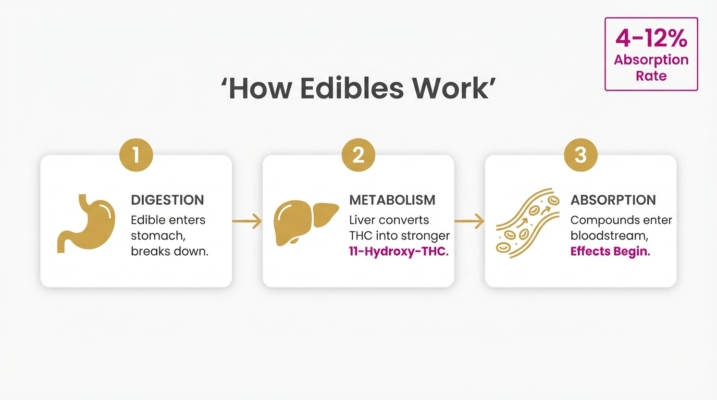
When you ingest cannabis, your liver converts THC into a more potent compound, which often creates a longer and more intense psychoactive experience than inhaled cannabis.
There’s no instant fix, but staying hydrated, eating light snacks, resting, and keeping calm can help your body recover more comfortably.
Most people feel better within 4 to 12 hours, though higher doses can last longer. The effects gradually fade as your body metabolizes the THC.
Yes. Gummies, chocolates, drinks, and baked goods all absorb differently. Fat content, formulation, and dosage can change how quickly and strongly edibles affect you.
Regular use can increase tolerance and may affect your mood, sleep, or daily functioning. If you notice dependence forming, consider taking breaks or seeking guidance.
Keep them calm, hydrated, and resting. Monitor their symptoms, and seek medical help if they show severe discomfort or unusual reactions.
Yes. Some medications may interact with cannabis or THC metabolism. If you’re on prescription meds, check with a healthcare provider before using edibles.
Edibles move through your digestive system and liver before entering your bloodstream, creating a slower onset and a much longer duration than smoking or vaping.
Cannabis edibles are cannabinoid-infused food and beverage products that deliver THC or CBD through…
Learn more
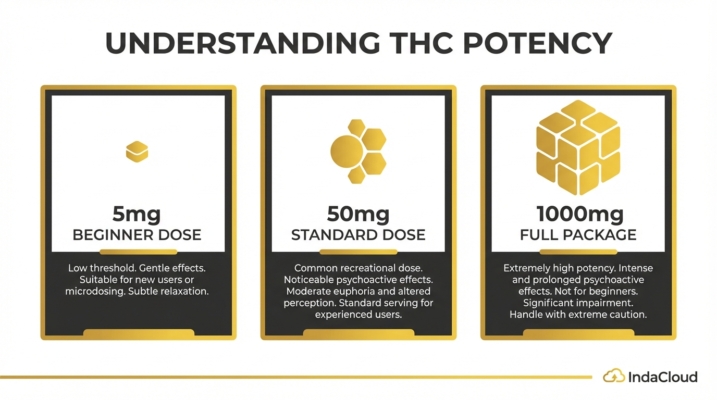
A 1000mg THC edible is a multi-serving package containing one thousand milligrams of tetrahydrocannabinol…
Learn more
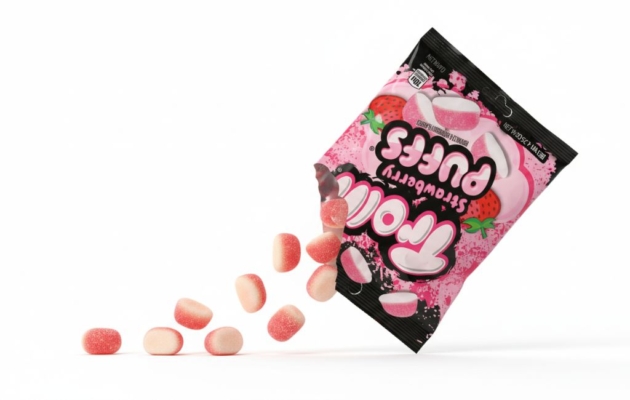
Trolli edibles bring a fun, nostalgic twist to cannabis treats, combining the classic chewy…
Learn more
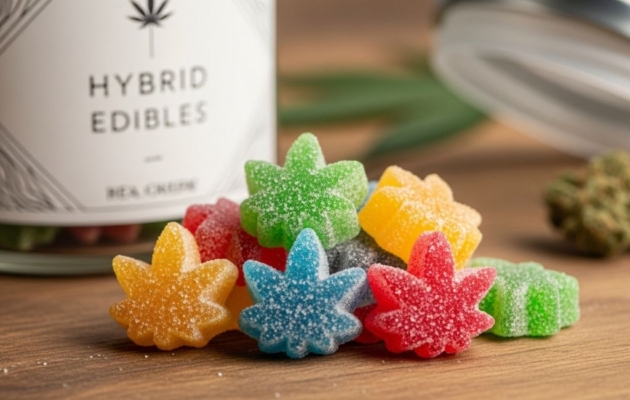
Hybrid edibles continue to gain attention as more consumers look for cannabis experiences that…
Learn more


