


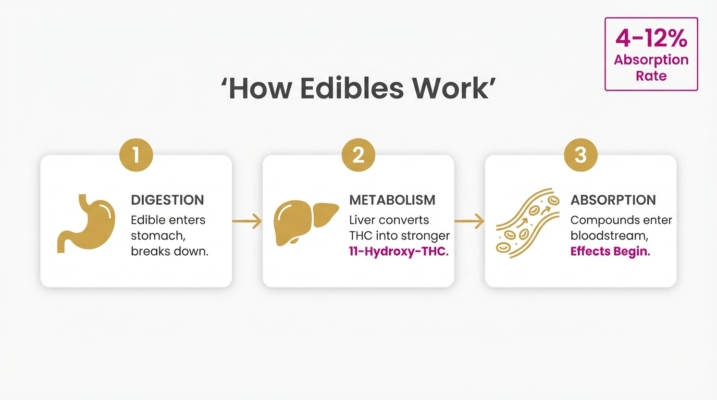
Edibles

Why Don’t Edibles Work For Me? 10 Possible Reasons and Solutions
Cannabis edibles are cannabinoid-infused food and beverage products that deliver THC or CBD through…
Learn more
You must be 21+ to enter this site
 FREE SHIPPING $89+
 FREE SODA ON $120+
 100% FEDERALLY LEGAL
 LAB TESTED FOR PURITY
FREE SHIPPING $89+
FREE SODA ON $120+
100% FEDERALLY LEGAL
LAB TESTED FOR PURITY
FREE SHIPPING $89+
FREE SODA ON $120+
100% FEDERALLY LEGAL
LAB TESTED FOR PURITY
FREE SHIPPING $89+
FREE SODA ON $120+
100% FEDERALLY LEGAL
LAB TESTED FOR PURITY
FREE SHIPPING $89+
FREE SODA ON $120+
100% FEDERALLY LEGAL
LAB TESTED FOR PURITY
FREE SHIPPING $89+
FREE SODA ON $120+
100% FEDERALLY LEGAL
LAB TESTED FOR PURITY
LAB TESTED FOR PURITY
FREE SHIPPING $89+
FREE SODA ON $120+
100% FEDERALLY LEGAL
LAB TESTED FOR PURITY
FREE SHIPPING $89+
FREE SODA ON $120+
100% FEDERALLY LEGAL
LAB TESTED FOR PURITY
FREE SHIPPING $89+
FREE SODA ON $120+
100% FEDERALLY LEGAL
LAB TESTED FOR PURITY
FREE SHIPPING $89+
FREE SODA ON $120+
100% FEDERALLY LEGAL
LAB TESTED FOR PURITY
FREE SHIPPING $89+
FREE SODA ON $120+
100% FEDERALLY LEGAL
LAB TESTED FOR PURITY

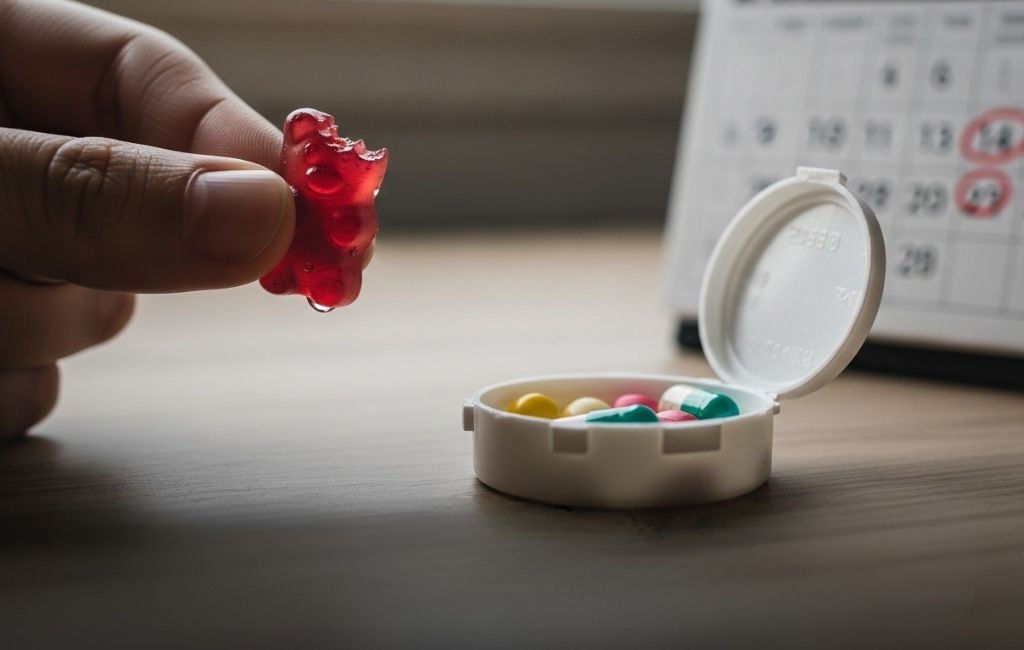
Many patients who use edibles start asking important questions as a surgery date approaches. Cannabis products can affect how the body responds to anesthesia, which makes timing an important safety issue.
Knowing when to stop taking edibles before a surgical procedure helps the surgeon and anesthesiologist reduce risks and keep the surgical team focused on a safe outcome.
Most surgeons and anesthesiologists recommend stopping edibles at least 72 hours before surgery. For regular marijuana use or higher THC levels, stopping one week before surgery provides a safer margin because cannabis can affect anesthesia drugs, heart rate, blood pressure, and airway response.
Edibles should not be taken on the day of surgery, and cannabis use before surgery should always be shared with the surgical team to reduce the risk of complications.
Stopping edibles before surgery plays a direct role in patient safety. Cannabis consumption can change how the body responds during anesthesia and recovery, which increases the chance of serious complications.
Edibles contain THC that can alter how anesthesia drugs work in the body. Regular cannabis use may require larger doses of anesthesia to achieve proper sedation. This makes it harder for the anesthesiologist to control anesthesia levels and increases the risk of complications during surgery.
Consuming edibles or smoking marijuana can affect respiratory function. Cannabis before surgery may lead to breathing problems, airway sensitivity, or reduced oxygen levels during sedation. These effects increase the risk during a surgical procedure, especially when anesthesia suppresses normal breathing.
Marijuana use can increase heart rate and blood pressure or cause low blood pressure under anesthesia. These shifts affect blood flow and place added stress on the heart. Cannabis and surgery together can increase the risk of bleeding and cardiovascular complications.
Cannabis use before surgery can reduce the effectiveness of anesthesia and pain medicine after surgery. Many patients who use cannabis products may require higher doses of opioid or other medication to manage pain, which raises the risk of side effects during surgery and recovery.
THC and CBD can interact with anesthesia drugs and post-surgical medication. Cannabis consumption may affect how the body responds to medication used to manage pain, inflammation, and nausea. These interactions increase the risk of complications and can slow the recovery process.
Flushing edibles out of the system before surgery is not recommended and does not reliably reduce risk. The body processes THC over time, and attempts to rush elimination can cause dehydration, electrolyte imbalance, or low blood pressure, which can create additional problems during anesthesia.
The safest approach is to stop taking edibles at least 72 hours before surgery, or longer for regular cannabis use, and to tell your anesthesiologist about any cannabis consumption prior to the surgical procedure.
To support natural clearance and reduce potential risks, these steps may help the body recover more smoothly before surgery:
Using edibles after surgery requires caution and clear communication with the medical team. Timing, dosage, and recovery status all matter when reintroducing cannabis products.
Stopping edibles before surgery and reintroducing them carefully afterward helps reduce risks and supports a smoother recovery. Clear communication with the surgeon and anesthesiologist allows care plans to be adjusted safely based on cannabis use.
For those considering cannabis for pain relief after recovery, choosing well-regulated products and informed guidance matters. Learn responsibly sourced edibles designed for mindful pain management to support safer use when the time is right.
Yes. Cannabis consumption can still affect how the body responds to anesthesia and pain medicine, even with local or regional anesthesia. THC may change sedation needs and pain perception, which is why anesthesiologists need to be aware of any edible use before surgery.
Not necessarily. CBD can interact with anesthesia drugs and post-surgical medication. Even products labeled as CBD may contain trace THC, so most surgical teams recommend stopping all cannabis products prior to surgery.
Yes. Even infrequent use can affect heart rate, blood pressure, and sedation levels. Marijuana could still influence how anesthesia works, which is why surgeons often advise stopping edibles well before the procedure.
Yes. THC is stored in fat tissue, so body composition can influence how long cannabis remains in the body. This is one reason some patients are advised to stop eating edibles long before surgery.
Often, yes. Sedation is still used for many outpatient surgeries, and cannabis use before surgery can increase the risk of breathing or cardiovascular issues, even in shorter procedures.
Yes. Cannabis use may interfere with medications used to prevent nausea and vomiting after surgery, which can complicate early recovery.
Healing alone does not determine safety. Edibles should only be resumed once pain medication is reduced and the surgical team confirms cannabis use will not interfere with recovery or ongoing treatment.
Cannabis edibles are cannabinoid-infused food and beverage products that deliver THC or CBD through…
Learn more
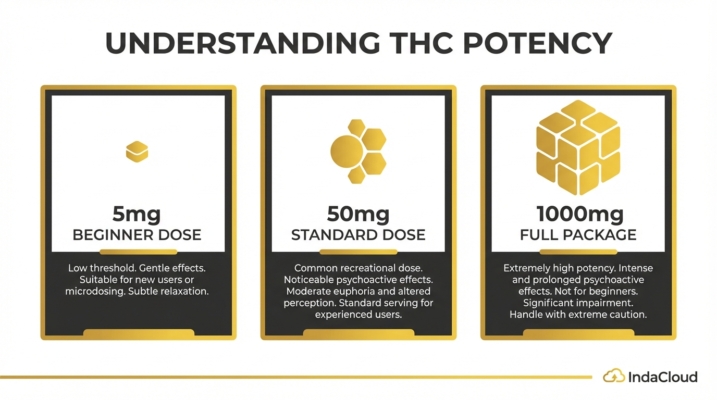
A 1000mg THC edible is a multi-serving package containing one thousand milligrams of tetrahydrocannabinol…
Learn more
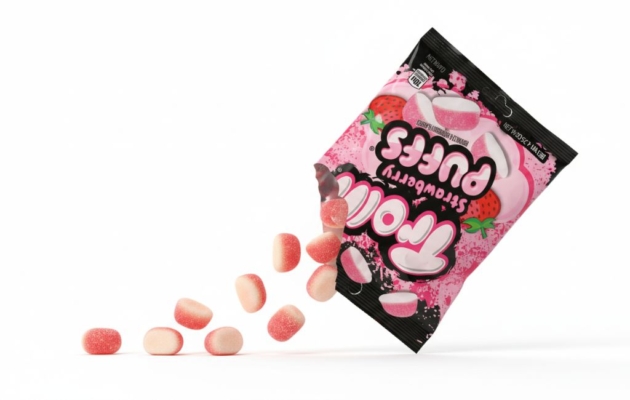
Trolli edibles bring a fun, nostalgic twist to cannabis treats, combining the classic chewy…
Learn more
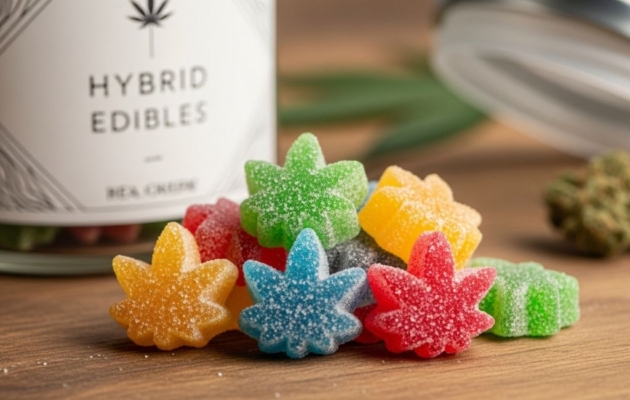
Hybrid edibles continue to gain attention as more consumers look for cannabis experiences that…
Learn more


