


Edibles

Why Don’t Edibles Work For Me? 10 Possible Reasons and Solutions
Cannabis edibles are cannabinoid-infused food and beverage products that deliver THC or CBD through…
Learn more
You must be 21+ to enter this site
 FREE SHIPPING $89+
 FREE SODA ON $120+
 100% FEDERALLY LEGAL
 LAB TESTED FOR PURITY
FREE SHIPPING $89+
FREE SODA ON $120+
100% FEDERALLY LEGAL
LAB TESTED FOR PURITY
FREE SHIPPING $89+
FREE SODA ON $120+
100% FEDERALLY LEGAL
LAB TESTED FOR PURITY
FREE SHIPPING $89+
FREE SODA ON $120+
100% FEDERALLY LEGAL
LAB TESTED FOR PURITY
FREE SHIPPING $89+
FREE SODA ON $120+
100% FEDERALLY LEGAL
LAB TESTED FOR PURITY
FREE SHIPPING $89+
FREE SODA ON $120+
100% FEDERALLY LEGAL
LAB TESTED FOR PURITY
LAB TESTED FOR PURITY
FREE SHIPPING $89+
FREE SODA ON $120+
100% FEDERALLY LEGAL
LAB TESTED FOR PURITY
FREE SHIPPING $89+
FREE SODA ON $120+
100% FEDERALLY LEGAL
LAB TESTED FOR PURITY
FREE SHIPPING $89+
FREE SODA ON $120+
100% FEDERALLY LEGAL
LAB TESTED FOR PURITY
FREE SHIPPING $89+
FREE SODA ON $120+
100% FEDERALLY LEGAL
LAB TESTED FOR PURITY
FREE SHIPPING $89+
FREE SODA ON $120+
100% FEDERALLY LEGAL
LAB TESTED FOR PURITY

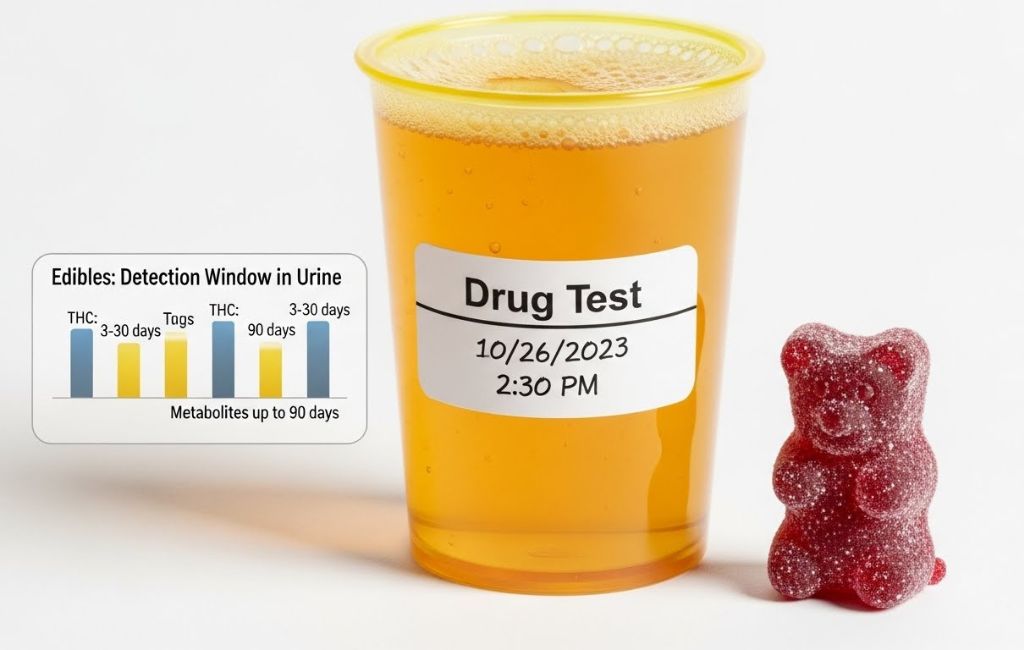
When you eat an edible, it can be surprising how long it sticks around — especially if you’re nervous about a drug test or just trying to understand how your body handles marijuana edibles.
Everyone’s body works a little differently, so the way your digestive system breaks things down, how your body processes THC, and even your daily habits can all shape how long edibles stay in your system. Here’s a quick look at what really influences how long THC stays in your urine.
For most people, marijuana edibles can be detected in urine anywhere from 3 to 30 days, depending on how often you consume an edible, the amount of THC, your metabolism, and your body fat.
Edibles stay in your urine longer than smoked marijuana because your body processes THC from edibles through the digestive system, creating THC metabolites that remain in your system for an extended period.
Heavy or frequent marijuana use may retain THC metabolites even longer, which means edibles can show up in drug tests for several weeks.
Sometimes the reason edibles stay in your urine longer comes down to how your own body works. Several factors influence how long THC from edibles may remain in your system, and understanding them can make everything feel a bit less confusing.
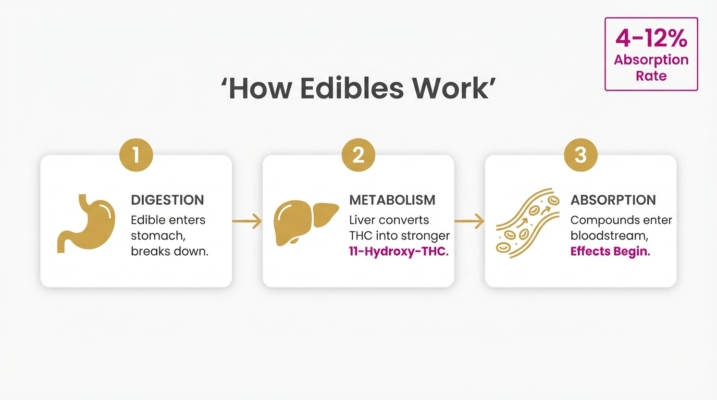
When you consume an edible, your digestive system breaks it down and converts THC into a more potent form. People with faster metabolisms tend to eliminate THC more quickly, while slower metabolisms allow THC metabolites to stay in the system longer.
THC is fat-soluble, which means thc is stored in fat cells. Individuals with higher body fat percentages may retain THC metabolites longer, allowing traces of THC to remain in your system and show up in drug tests for a longer period.
If you consume edibles regularly, your body may retain THC for a longer duration. Occasional marijuana use clears out faster, while repeated intake builds up levels of THC that take longer for your body to process and eliminate.
Higher doses of THC — especially from cannabis edibles that contain both THC and CBD — lead to more thc metabolites forming. This increases the time THC stays in your system and may influence how long edibles stay detectable in urine tests.
While urine tests are the most common, the type of drug test matters. Blood tests detect THC for shorter periods, while urine tests detect THC metabolites for much longer, which affects the chances of testing positive for THC after eating edibles.
Hydration, overall health, and daily activity levels all affect how your body process and eliminate THC. Active individuals may eliminate THC more quickly, while others may notice that edibles can remain in their system for extended periods.
Trying to clear THC from edibles out of your urine isn’t always easy, because THC is stored in fat and edibles take longer for your body to process. Still, a few practical habits can help your system move things along more efficiently.
Understanding how long edibles stay in your urine comes down to how your body handles THC, your habits, and the choices you make along the way. While everyone’s timing is different, being mindful of what you consume — and how often — can make the whole experience feel more predictable and less stressful.
And if you ever decide to use cannabis products, learn how to consume responsibly so you can feel safer, more informed, and more in control of your decisions.
Yes. Edibles vary widely in potency and formulation, and some contain higher doses of THC or combine THC and CBD in ways that affect how long they stay in the system. Baked goods, gummies, and infused oils digest at different speeds, which can influence how quickly THC metabolites appear — and how long they remain detectable in urine.
Generally, yes. Someone consuming an edible for the first time typically has fewer THC metabolites stored in fat cells, so the body can eliminate them more quickly. Frequent or daily users tend to accumulate THC over time, which extends the duration it stays in urine.
Most detox teas won’t actually eliminate THC from your system. They may temporarily dilute your urine or act as diuretics, but they don’t speed up the breakdown of THC metabolites. Relying on them alone rarely makes a meaningful difference in detection windows for urine tests.
Yes. Certain medications, liver conditions, or metabolic disorders can slow the way your body processes THC. Since THC is metabolized in the liver and stored in fat, anything that affects these systems may lengthen the time edibles can be detected.
Not significantly. The time of consumption doesn’t impact how long THC stays detectable. What matters more is the amount of THC consumed, your metabolism, your body fat, and the frequency of your marijuana use.
Dehydration doesn’t make THC stay in the body longer, but it can make THC metabolites appear more concentrated in urine. This means a urine test may detect them more easily, even if your body is eliminating THC at its normal rate.
Yes. Edibles generally lead to a longer detection period because THC from edibles is metabolized differently and produces metabolites that linger longer. Even if you use the same amount of THC, edibles tend to stay in your urine longer than smoked marijuana.
Cannabis edibles are cannabinoid-infused food and beverage products that deliver THC or CBD through…
Learn more
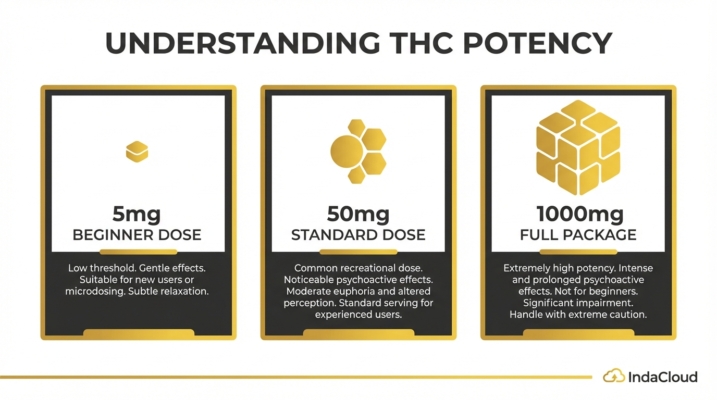
A 1000mg THC edible is a multi-serving package containing one thousand milligrams of tetrahydrocannabinol…
Learn more
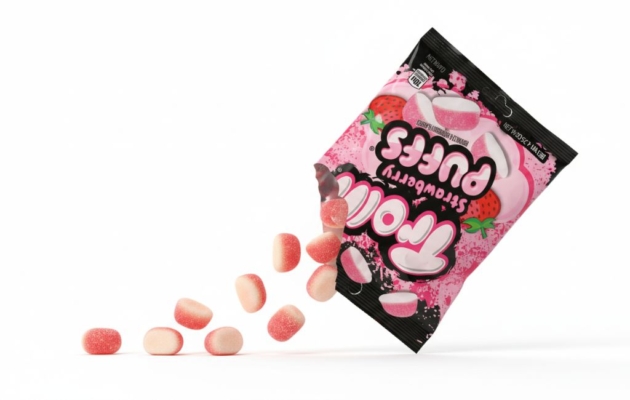
Trolli edibles bring a fun, nostalgic twist to cannabis treats, combining the classic chewy…
Learn more
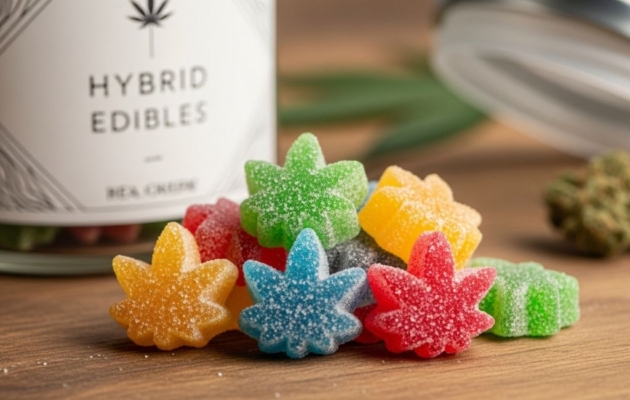
Hybrid edibles continue to gain attention as more consumers look for cannabis experiences that…
Learn more


