


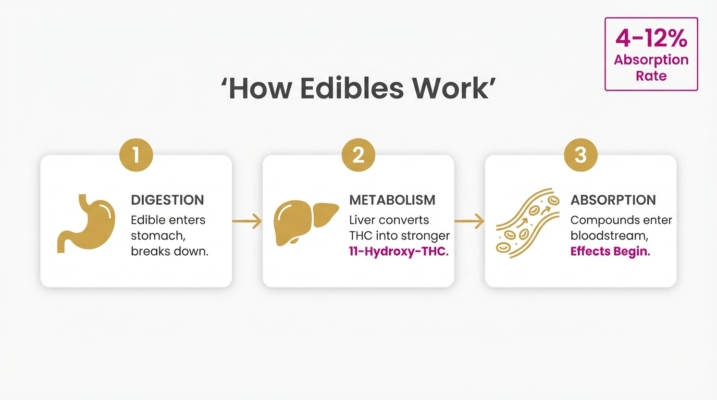
Edibles

Why Don’t Edibles Work For Me? 10 Possible Reasons and Solutions
Cannabis edibles are cannabinoid-infused food and beverage products that deliver THC or CBD through…
Learn more
You must be 21+ to enter this site
 FREE SHIPPING $89+
 FREE SODA ON $120+
 100% FEDERALLY LEGAL
 LAB TESTED FOR PURITY
FREE SHIPPING $89+
FREE SODA ON $120+
100% FEDERALLY LEGAL
LAB TESTED FOR PURITY
FREE SHIPPING $89+
FREE SODA ON $120+
100% FEDERALLY LEGAL
LAB TESTED FOR PURITY
FREE SHIPPING $89+
FREE SODA ON $120+
100% FEDERALLY LEGAL
LAB TESTED FOR PURITY
FREE SHIPPING $89+
FREE SODA ON $120+
100% FEDERALLY LEGAL
LAB TESTED FOR PURITY
FREE SHIPPING $89+
FREE SODA ON $120+
100% FEDERALLY LEGAL
LAB TESTED FOR PURITY
LAB TESTED FOR PURITY
FREE SHIPPING $89+
FREE SODA ON $120+
100% FEDERALLY LEGAL
LAB TESTED FOR PURITY
FREE SHIPPING $89+
FREE SODA ON $120+
100% FEDERALLY LEGAL
LAB TESTED FOR PURITY
FREE SHIPPING $89+
FREE SODA ON $120+
100% FEDERALLY LEGAL
LAB TESTED FOR PURITY
FREE SHIPPING $89+
FREE SODA ON $120+
100% FEDERALLY LEGAL
LAB TESTED FOR PURITY
FREE SHIPPING $89+
FREE SODA ON $120+
100% FEDERALLY LEGAL
LAB TESTED FOR PURITY

Planning for a surgical procedure can feel stressful, especially for people who use edibles for pain relief, anxiety and chronic pain, or simple routine.
Many patients wonder how long before surgery they should stop eating edibles, and the answer matters because cannabis products can change how anesthesia drugs work and may increase the risk of breathing problems.
Stop eating edibles at least 72 hours before surgery. That means no THC or other cannabis products for the three full days prior to surgery, and do not use cannabis on the day of surgery.
Edibles can feel like a simple part of daily life, but the body treats them differently around anesthesia and a surgical procedure. Pausing cannabis consumption before surgery helps the surgical team keep breathing, heart function, and sedation steady.
Right before surgery, the body needs calm, steady signals. Since cannabis products can affect anesthesia and breathing, stepping back from edibles opens the door to safer ways to handle stress, sleep trouble, or chronic pain in the days leading up to a surgical procedure.
Try slow breathing, short guided meditation, or quiet stretching once or twice a day. These tools lower tension without THC in the bloodstream, so they do not lead to unpredictable effects with anesthesia drugs. They also avoid respiratory effects that can complicate airway control or a breathing tube on the day of surgery.
Gentle walks, easy mobility work, or surgeon approved stretching can reduce stiffness and support pain management. Movement helps many patients feel better without cannabis use that may increase the risk of higher doses of anesthesia or breathing problems during surgery. It also supports smoother surgery and recovery.
Build a wind down routine in the week before surgery. Dim lights early, limit screens late, and keep the room cool and quiet. This approach supports deeper rest without consuming edibles that can linger past 72 hours before surgery and affect sedation or heart rate and blood pressure.
Use warm showers, a heating pad, or a cold pack for short bursts if soreness flares. These options target discomfort without systemic cannabinoid effects, so they do not raise airway sensitivity or increase the risk of respiratory complications during surgery. Many patients find this steady, predictable support helpful in the day before surgery.
Balanced meals, steady hydration, and lighter evening snacks can support energy and mood. This matters because eating edibles close to the surgery date can change how the body responds to anesthetic and may lead to breathing problems. Simple nutrition keeps the system predictable for the anesthesiologist before surgery.
Talk with a trusted friend, journal, or line up calm distractions like movies or music. Stress can spike anxiety and chronic pain, and edibles can feel like the quick fix. Grounding tools help manage that build up without marijuana use that may affect anesthesia or increase the risk of complications during surgery.
Wait at least 7 days after surgery before eating edibles, and only restart once opioid pain medication or other sedating drugs are no longer needed.
Many surgical teams prefer a more cautious window of about 2 weeks, since anesthesia and post op medications can interact with THC and lead to unpredictable sedation, breathing problems, or harder pain management.
Pausing edibles before surgery gives anesthesia a clearer path, keeps respiratory and airway risks lower, and makes pain management more predictable during recovery. Stick to the 72 hours before surgery rule, avoid cannabis products on the day of surgery, and restart only after the surgeon confirms the body is ready.
For extra guidance on timing edibles and other cannabis products around a surgical procedure, get a pre surgery cannabis checklist.
Yes. Eating edibles lasts longer and can lead to unpredictable effects during sedation, so the anesthesiologist may need a higher dose of anesthesia than expected.
Tell your anesthesiologist and let your surgeon know right away. Recent cannabis use can increase the risk of complications during surgery, and the surgical team may need to adjust the plan.
Yes. Regular marijuana use can raise tolerance to anesthetic and may lead to higher doses of anesthesia, plus added respiratory effects during a surgical procedure.
Yes. Vaping and smoking weed can irritate the airway and increase the risk of breathing problems, especially when the surgical team needs to place a breathing tube.
CBD can still affect anesthesia drugs and heart rate and blood pressure in some people. Stop using marijuana products containing CBD unless the surgeon and anesthesiologist say otherwise.
Yes. Cosmetic surgery still involves anesthesia and airway control, so cannabis use can increase the risk of respiratory issues and dose adjustments.
Many patients with chronic pain need a longer buffer than 72 hours. The surgeon and anesthesiologist can set a timeline long before surgery based on cannabis use patterns.
Knowing the type of cannabis products, THC strength, and how often people use them helps the anesthesiologist plan safer sedation and pain management, reducing serious complications.
Cannabis edibles are cannabinoid-infused food and beverage products that deliver THC or CBD through…
Learn more
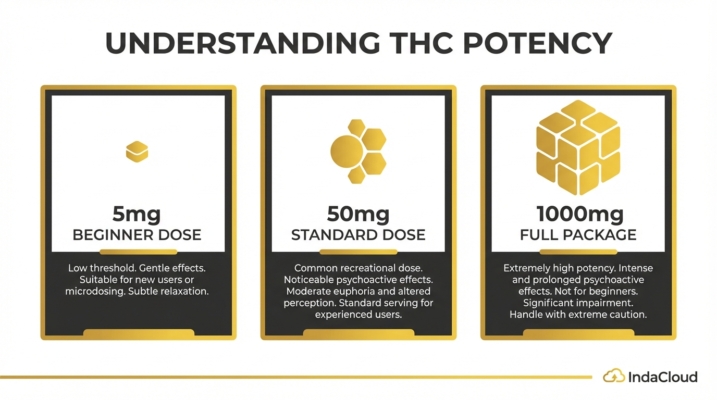
A 1000mg THC edible is a multi-serving package containing one thousand milligrams of tetrahydrocannabinol…
Learn more
Trolli edibles bring a fun, nostalgic twist to cannabis treats, combining the classic chewy…
Learn more
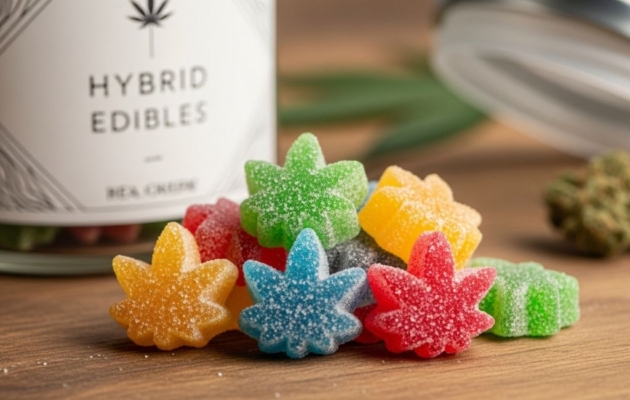
Hybrid edibles continue to gain attention as more consumers look for cannabis experiences that…
Learn more


