


Edibles

Why Don’t Edibles Work For Me? 10 Possible Reasons and Solutions
Cannabis edibles are cannabinoid-infused food and beverage products that deliver THC or CBD through…
Learn more
You must be 21+ to enter this site
 FREE SHIPPING $89+
 FREE SODA ON $120+
 100% FEDERALLY LEGAL
 LAB TESTED FOR PURITY
FREE SHIPPING $89+
FREE SODA ON $120+
100% FEDERALLY LEGAL
LAB TESTED FOR PURITY
FREE SHIPPING $89+
FREE SODA ON $120+
100% FEDERALLY LEGAL
LAB TESTED FOR PURITY
FREE SHIPPING $89+
FREE SODA ON $120+
100% FEDERALLY LEGAL
LAB TESTED FOR PURITY
FREE SHIPPING $89+
FREE SODA ON $120+
100% FEDERALLY LEGAL
LAB TESTED FOR PURITY
FREE SHIPPING $89+
FREE SODA ON $120+
100% FEDERALLY LEGAL
LAB TESTED FOR PURITY
LAB TESTED FOR PURITY
FREE SHIPPING $89+
FREE SODA ON $120+
100% FEDERALLY LEGAL
LAB TESTED FOR PURITY
FREE SHIPPING $89+
FREE SODA ON $120+
100% FEDERALLY LEGAL
LAB TESTED FOR PURITY
FREE SHIPPING $89+
FREE SODA ON $120+
100% FEDERALLY LEGAL
LAB TESTED FOR PURITY
FREE SHIPPING $89+
FREE SODA ON $120+
100% FEDERALLY LEGAL
LAB TESTED FOR PURITY
FREE SHIPPING $89+
FREE SODA ON $120+
100% FEDERALLY LEGAL
LAB TESTED FOR PURITY


When you’re sick with the flu, it’s natural to look for anything that might help you chill, rest, or feel a little less miserable. And if you already use edibles or other cannabis products, you might wonder whether consuming cannabis could actually make your symptoms worse—or maybe offer some relief.
Before you reach for that gummy or tincture, here’s what you should know.
You can eat edibles when you’re sick with the flu, but it’s not always a good idea.
Edibles take time to kick in, their effects can feel stronger when you’re sick, and cannabis can interact with cold or flu medications. Some people find that edibles may help relieve pain or help you sleep, while others experience side effects that make flu symptoms worse—especially anything affecting your respiratory system, immune response, or ability to stay hydrated.
If you have a high fever, difficulty breathing, or you’re unsure how cannabis use could affect you, it’s best to talk to your doctor before taking edibles when sick.
When you’re already feeling under the weather, taking edibles can hit your body differently. Here are a few simple, practical tips to help you stay safe if you decide to use edibles while sick.
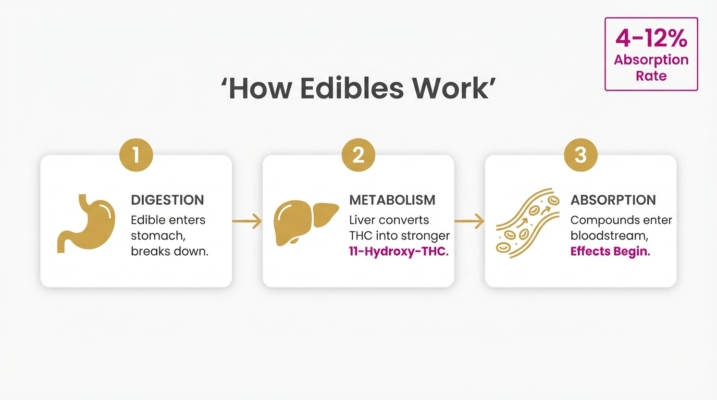
Edibles take time to kick in, especially when you’re sick with the flu and your body is already working hard against a viral infection. Because edibles take effect slowly, it’s easy to assume nothing is happening and take more than you need. Start with a low dose and wait to see how your body responds.
Cold and flu medications can interact with cannabis, since both may involve the cytochrome p450 system that helps your body process drugs. This can make symptoms worse or increase side effects. If you’re unsure whether your cold medications, CBD, or other cannabis products are safe together, it’s best to talk to your doctor.
Edibles like gummies or baked treats won’t dehydrate you, but cannabis can cause dry mouth, which can make a sore throat feel worse. When you’re sick with a cold or the flu, staying hydrated supports your immune response and helps manage flu symptoms such as cough or runny nose.
If you’re dealing with respiratory symptoms—cough, congestion, or difficulty breathing—it’s better to avoid smoking weed or vaping altogether. Cannabis smoke and inhaled cannabis can irritate your lungs and throat, and smoking weed while sick may make respiratory infections feel more intense. If you want to use cannabis, consider edibles instead of inhalation.
When you’re sick, the effects of edibles may feel stronger, and you may experience side effects like dizziness or a sudden drop in blood pressure more easily. If cannabis use makes your symptoms worse, or you feel unusually uncomfortable, stop consuming cannabis and rest.
While cannabinoids like cannabidiol or THC may help relieve pain or help you sleep, there’s limited evidence that cannabis helps with the flu virus itself. If you have a high fever, worsening respiratory system issues, or symptoms that don’t improve, seek medical advice right away.
When you’re sick with the flu or just feeling under the weather, choosing the right forms of cannabis matters. Some edibles may feel gentler on your body and easier to handle while you recover.
When you’re sick with the flu, it’s all about doing what helps you feel a little more comfortable while letting your body heal. Edibles can offer gentle relief for some people, but they’re not a cure—and they definitely aren’t a substitute for proper rest, hydration, and real medical advice when symptoms get serious. If you’re unsure about mixing cannabis with cold or flu medications, or your symptoms start to worsen, don’t hesitate to talk to your doctor.
If you want to explore gentle, easy-to-dose options for days when you’re feeling under the weather, you can check out this simple guide to choosing the right edibles to help you decide what fits your needs.
Edibles affect everyone differently, but some people notice that the effects feel stronger when they’re sick because their body is already under stress. A weakened immune response, dehydration, or reduced appetite can all influence how you metabolize THC or CBD. This doesn’t mean edibles are unsafe, but it does mean you should start with a lower dose than usual and pay close attention to how you feel.
Some people find that edibles may help them eat when they’re too nauseous or tired to bother with regular meals. Others might experience appetite changes, stomach discomfort, or grogginess that make eating harder. If you’re already struggling to stay nourished, choose gentle edibles and avoid anything heavy or sugary that could upset your stomach.
Edibles take time to kick in on a normal day, and that delay may be even longer when you’re sick. A slower digestive system, lack of food, or changes in metabolism can all affect how quickly edibles take effect. This is why taking more too soon can lead to an unexpectedly strong reaction. Give yourself plenty of time before considering another dose.
Some people say that edibles may help them relax, sleep, or ease general body aches—common issues during the flu. However, they won’t do much for respiratory symptoms like congestion, cough, or difficulty breathing. And since cannabis can sometimes make dizziness or dehydration worse, it’s important to listen to your body.
There’s no solid evidence that cannabis speeds up flu recovery. While certain cannabinoids have anti-inflammatory properties, they don’t fight the flu virus or shorten the illness. The best way to recover is still rest, fluids, and proper care. If symptoms linger longer than expected, it’s a good idea to reach out for medical advice.
For many people, yes. Once your fever drops, your respiratory system calms down, and your energy levels start to return, your body may handle cannabis more predictably. If you choose to use cannabis after feeling better, stick with low-dose edibles first to avoid overwhelming effects as your body readjusts.
Cannabis edibles are cannabinoid-infused food and beverage products that deliver THC or CBD through…
Learn more
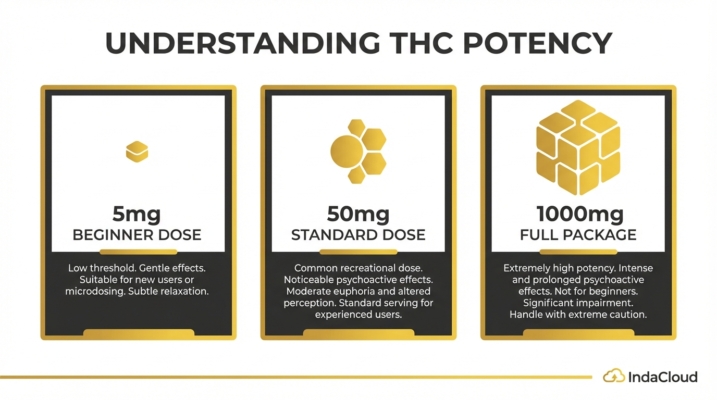
A 1000mg THC edible is a multi-serving package containing one thousand milligrams of tetrahydrocannabinol…
Learn more
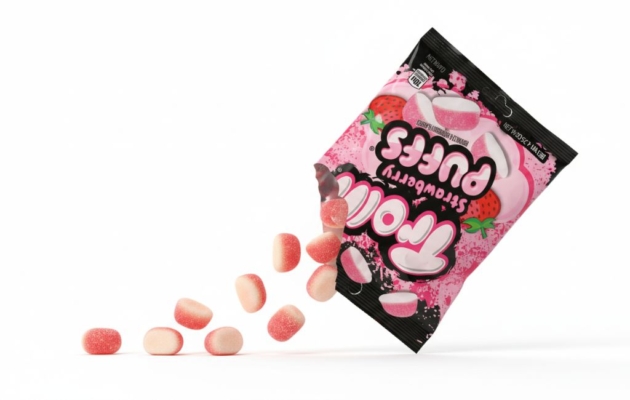
Trolli edibles bring a fun, nostalgic twist to cannabis treats, combining the classic chewy…
Learn more
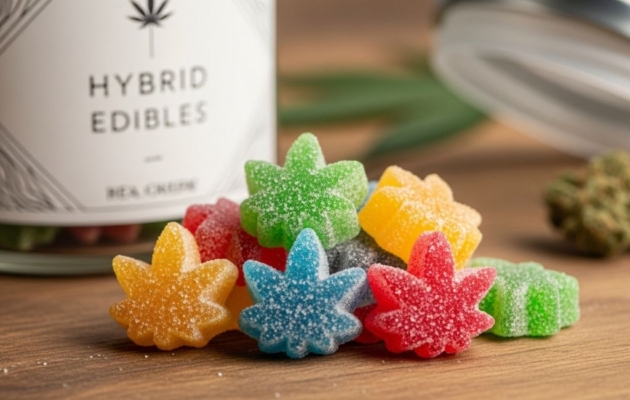
Hybrid edibles continue to gain attention as more consumers look for cannabis experiences that…
Learn more


