


Edibles

Why Don’t Edibles Work For Me? 10 Possible Reasons and Solutions
Cannabis edibles are cannabinoid-infused food and beverage products that deliver THC or CBD through…
Learn more
You must be 21+ to enter this site
 FREE SHIPPING $89+
 FREE SODA ON $120+
 100% FEDERALLY LEGAL
 LAB TESTED FOR PURITY
FREE SHIPPING $89+
FREE SODA ON $120+
100% FEDERALLY LEGAL
LAB TESTED FOR PURITY
FREE SHIPPING $89+
FREE SODA ON $120+
100% FEDERALLY LEGAL
LAB TESTED FOR PURITY
FREE SHIPPING $89+
FREE SODA ON $120+
100% FEDERALLY LEGAL
LAB TESTED FOR PURITY
FREE SHIPPING $89+
FREE SODA ON $120+
100% FEDERALLY LEGAL
LAB TESTED FOR PURITY
FREE SHIPPING $89+
FREE SODA ON $120+
100% FEDERALLY LEGAL
LAB TESTED FOR PURITY
LAB TESTED FOR PURITY
FREE SHIPPING $89+
FREE SODA ON $120+
100% FEDERALLY LEGAL
LAB TESTED FOR PURITY
FREE SHIPPING $89+
FREE SODA ON $120+
100% FEDERALLY LEGAL
LAB TESTED FOR PURITY
FREE SHIPPING $89+
FREE SODA ON $120+
100% FEDERALLY LEGAL
LAB TESTED FOR PURITY
FREE SHIPPING $89+
FREE SODA ON $120+
100% FEDERALLY LEGAL
LAB TESTED FOR PURITY
FREE SHIPPING $89+
FREE SODA ON $120+
100% FEDERALLY LEGAL
LAB TESTED FOR PURITY

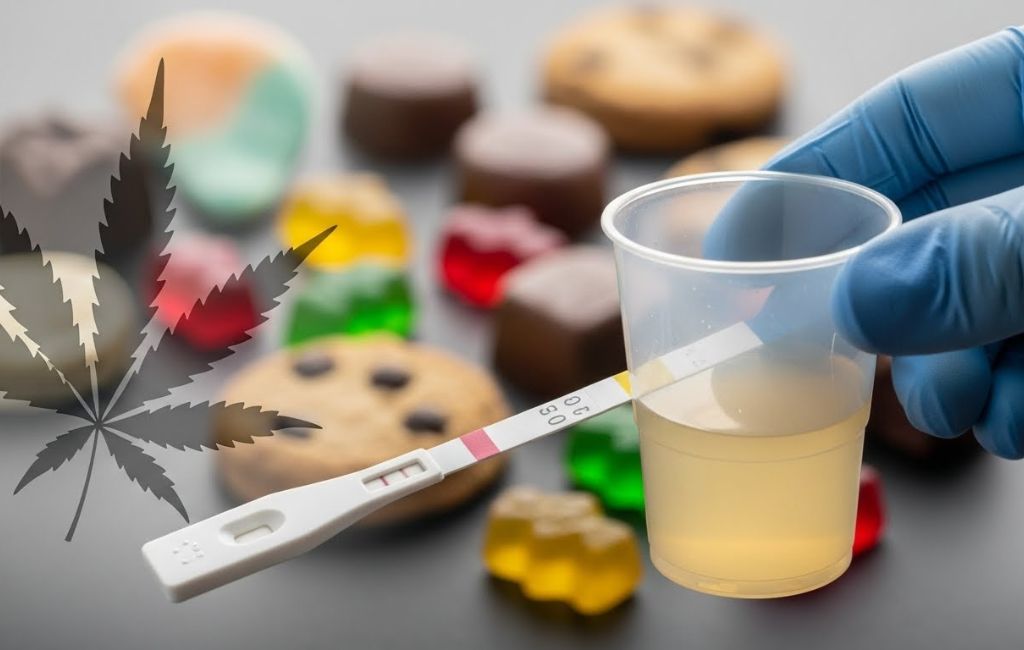
If you’ve ever enjoyed cannabis edibles and then remembered you have a urine test or another type of drug test coming up, you’re not the first to feel that wave of worry. It’s completely normal to wonder how long THC stays in your system, why edibles take longer to process, and whether they might still show up on drug tests even after the effects fade.
Understanding how your body handles marijuana edibles can make the whole situation feel a little less stressful and a lot more clear.
Yes, edibles do show up in drug tests. Even though you’re not smoking or vaping, the THC in edibles enters the bloodstream, breaks down into THC metabolites, and these metabolites remain in your system long enough for standard drug tests—like a urine test, hair test, or other common type of drug test—to detect.
The form of marijuana doesn’t matter; tests look for the byproducts your body creates after consuming edibles, and those can linger.
When people wonder whether edibles show up in drug tests, it helps to know which tests are actually used and what each one looks for. Different tests detect THC for different lengths of time, and some are far more sensitive than others.
When people start worrying about a possible positive drug test after consuming edibles, the instinct is to look for fast fixes. While there’s no guaranteed way to speed up how your body processes THC metabolites, there are supportive habits that can help your system function as it normally should.
Drinking water helps your body function the way it’s meant to, especially when it comes to processing anything you’ve taken in. Hydration doesn’t “erase” THC, but it supports healthy kidney and liver function as your body naturally handles THC metabolites from marijuana edibles, weed edibles, or smoking cannabis.
Gentle movement—like walking or stretching—keeps circulation steady and supports the body’s natural way of processing substances. This isn’t about “flushing out” edibles; it’s simply encouraging your system to work at its best.
Eating well helps your body manage the effects of edibles containing THC by giving it the nutrients it needs to function normally. Whole foods, fiber, and steady meals can help you feel better overall, especially if edibles take longer to wear off.
Sleep plays a huge role in how the body processes anything—from food to alcohol or other drugs. Good rest can support your system as it deals with THC metabolites left behind from taking edibles, marijuana use, or smoking or vaping.
If your concern comes from frequent use of edibles, weed, or other substances, reaching out for addiction treatment or drug and alcohol support can make a real difference. Individuals coping with drug and alcohol issues or marijuana addiction often find clarity and relief through counseling, drug rehab, or other supportive services.
At the end of the day, edibles can remain in your system longer than many people expect, and different tests can detect the presence of THC in their own ways. Understanding how your body processes marijuana edibles can ease a lot of worry, especially if you’ve been unsure about what might show up in drug test results.
If you’re looking to feel more confident and informed in your choices, consider exploring guidance for responsible cannabis use so you can enjoy edibles in a safer, more intentional way.
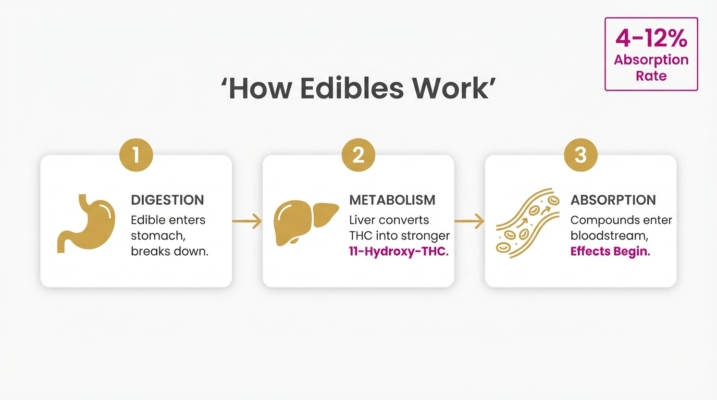
Yes, edibles can feel stronger because the body processes THC differently when you’re eating edibles instead of smoking or vaping. When THC enters through the digestive system, the liver converts it into a more potent compound. This is why some people feel more intense or longer-lasting effects of edibles compared to smoked marijuana. The experience varies widely and depends on factors like metabolism, dosage, and prior marijuana use.
Edibles take longer to kick in because your body has to digest and metabolize them before THC enters the bloodstream. This process can take anywhere from 30 minutes to two hours. The delay often leads people to take more too soon, which can make the effects stronger than expected. Understanding how long it takes can help prevent discomfort or unintended reactions.
It’s unlikely. While being around people who smoke marijuana exposes you to the smell and trace particles, standard drug tests are designed to detect meaningful levels of THC metabolites from direct marijuana use. Casual exposure typically doesn’t reach levels that would appear in a typical urine test or other common type of drug test.
Yes. People new to cannabis may find that edibles are harder to predict because they don’t feel the immediate feedback that comes with smoking cannabis. Since the effects take longer to appear and often last longer, first-time users may unintentionally take more than they need. Starting with a low dose and waiting plenty of time before consuming more helps reduce the chance of discomfort.
Combining edibles with alcohol or other drugs can intensify their effects and make it harder to gauge how your body is responding. The mix may increase dizziness, confusion, or nausea, especially for people who already have limited experience consuming edibles. Using one substance at a time is generally safer and makes the experience more predictable.
The form—whether gummies, baked goods, or other cannabis edibles—doesn’t significantly change how long THC stays in your system. What matters more is the potency of the edible, how much you consumed, your metabolism, and how often you use marijuana. All edibles containing THC follow the same basic process once they’re digested.
Yes, especially for people who take higher doses or have a slower metabolism. Edibles last longer in the body because THC metabolites take time to break down. It’s not uncommon for some people to feel a lingering heaviness or fatigue the next morning, and this usually fades naturally as the body continues to process the remaining THC.
Cannabis edibles are cannabinoid-infused food and beverage products that deliver THC or CBD through…
Learn more
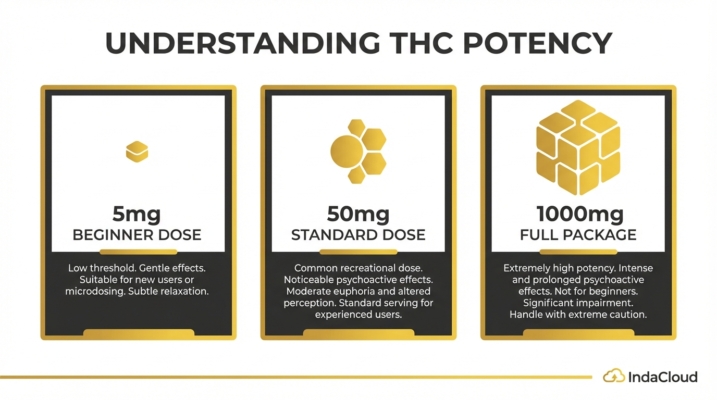
A 1000mg THC edible is a multi-serving package containing one thousand milligrams of tetrahydrocannabinol…
Learn more
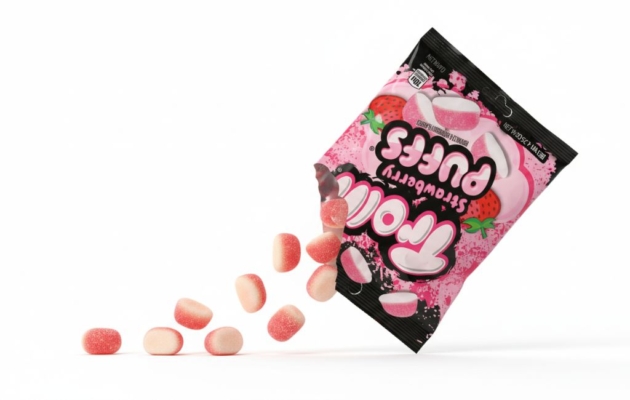
Trolli edibles bring a fun, nostalgic twist to cannabis treats, combining the classic chewy…
Learn more
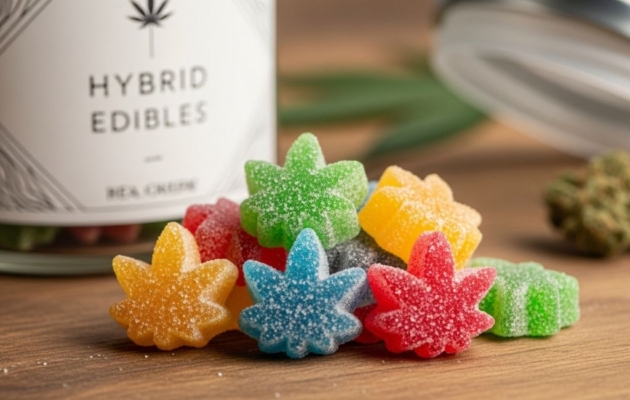
Hybrid edibles continue to gain attention as more consumers look for cannabis experiences that…
Learn more


