


Delta 9

What are Delta 9 Gummies: Benefits, Uses, and Safety
Embarking on a journey to better understand what Delta 9 Gummies are? You’ve landed…
Learn more
You must be 21+ to enter this site
 FREE SHIPPING $89+
 FREE SODA ON $120+
 100% FEDERALLY LEGAL
 LAB TESTED FOR PURITY
FREE SHIPPING $89+
FREE SODA ON $120+
100% FEDERALLY LEGAL
LAB TESTED FOR PURITY
FREE SHIPPING $89+
FREE SODA ON $120+
100% FEDERALLY LEGAL
LAB TESTED FOR PURITY
FREE SHIPPING $89+
FREE SODA ON $120+
100% FEDERALLY LEGAL
LAB TESTED FOR PURITY
FREE SHIPPING $89+
FREE SODA ON $120+
100% FEDERALLY LEGAL
LAB TESTED FOR PURITY
FREE SHIPPING $89+
FREE SODA ON $120+
100% FEDERALLY LEGAL
LAB TESTED FOR PURITY
LAB TESTED FOR PURITY
FREE SHIPPING $89+
FREE SODA ON $120+
100% FEDERALLY LEGAL
LAB TESTED FOR PURITY
FREE SHIPPING $89+
FREE SODA ON $120+
100% FEDERALLY LEGAL
LAB TESTED FOR PURITY
FREE SHIPPING $89+
FREE SODA ON $120+
100% FEDERALLY LEGAL
LAB TESTED FOR PURITY
FREE SHIPPING $89+
FREE SODA ON $120+
100% FEDERALLY LEGAL
LAB TESTED FOR PURITY
FREE SHIPPING $89+
FREE SODA ON $120+
100% FEDERALLY LEGAL
LAB TESTED FOR PURITY

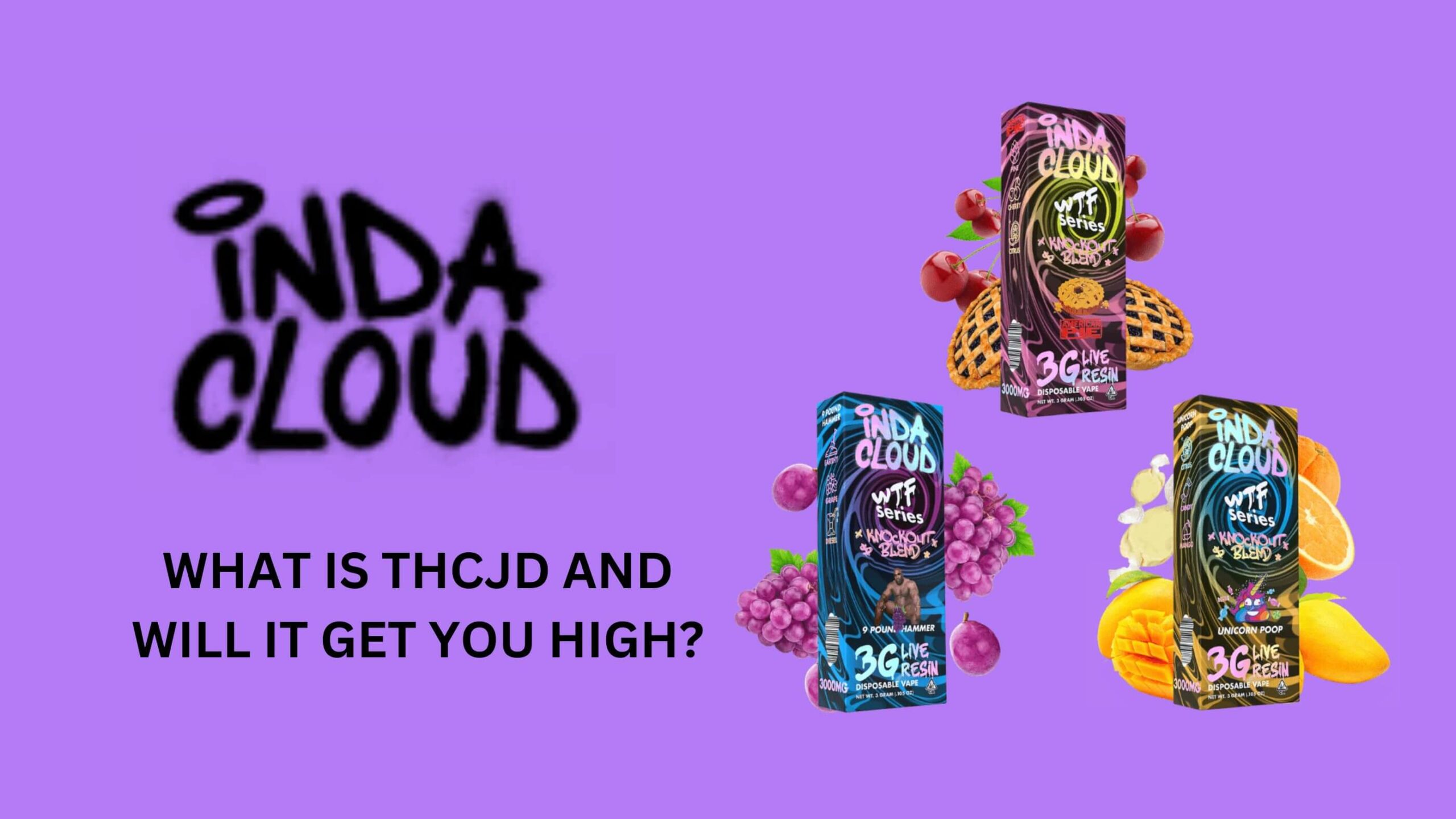
Since Delta 8 THC was found, cannabis researchers have been in a race to see who can get the most isomers from the plant. Delta 10 THC, HHC, HHC-O, THC-O, THCP, and THC-H have all been used. And here’s the next one: the naturally occurring cannabinoid, THCjd. How is it different from other cannabinoids that are similar to THC? Here, we explain THCjd, how it works, and more information you need to know about it.
THCjd is the same thing as THC. “Homo” is a prefix in Latin that means “same.” Homologs are chemical compounds of the same functional group and have similar chemical properties but are made of different atoms.
THCjd is a rare octyl cannabinoid that is similar to THC. “Octyl cannabinoid” refers to a type of cannabinoid that has an alkyl side chain with eight carbon atoms. Because of this 8-link alkyl side chain, THC is 19 times stronger than THC and over 25 times more potent than Delta 8 THC when it binds to CB1 receptors in the brain.
Because of its strength, it is better for more experienced users. If you have never tried cannabis before, start with products with Delta 8 or Delta 10. THCjd is a cannabinoid that was found in 2020. It is one of the more recent ones.
We know that it is a compound found naturally in hemp. Even though it is said to make people feel high 19 times more than THC, it is still considered a “minor” cannabinoid. This means that the cannabis plants have fewer compounds than THC and CBD, two of the essential cannabinoids.
Below, we will comprehensively compare THCjd and other well-known cannabinoids. We will discuss their similarities and differences in potency, effects, and side effects. This comparison will help you better understand the unique characteristics of THCjd and how it fits into the broader landscape of cannabinoids.
Delta 9 THC is the most well-known cannabinoid, responsible for the psychoactive effects of cannabis. THCjd, on the other hand, is a relatively new cannabinoid with limited research available. However, anecdotal evidence suggests that THCjd is significantly more potent than Delta 9 THC, with some reports indicating it may be up to 19 times stronger.
Similarities:
Differences:
Delta 8 THC is another psychoactive cannabinoid, albeit less potent than Delta 9 THC. It has gained popularity for its milder effects and potential therapeutic benefits. THCjd is reported to be considerably stronger than Delta 8 THC, with some sources suggesting it could be over 25 times more potent.
Similarities:
Differences:
CBD (cannabidiol) is a non-psychoactive cannabinoid known for its wide range of therapeutic applications, including pain relief, anxiety reduction, and anti-inflammatory properties. Unlike THCjd, CBD does not produce psychoactive effects, making it a popular option for those seeking the potential benefits of cannabinoids without the “high.”
Similarities:
Differences:
The euphoric high of THCjd will please experienced users who can handle a lot of THC. Based on reports from people who have used THCjd, the most common side effects are:
Even though THCjd has only been on the market for a short time, cannabis users who have bought it rave about how different its effects are from other THC isomers. THCjd can make you feel happy and calm, affecting both your body and mind. Many people who have tried it compare it to other strong cannabinoids like THC-O or THC-P, which are about 10–20 times stronger than Delta 9 THC.
Depending on how much you take and how well you handle it, the high can last up to 4 hours. But it’s not something a new user should mess around with. Due to a lack of formal research and data, we still don’t know what the proven effects and benefits of THCjd are.
THCjd probably has the same effects as THC, such as making you happy, calm, and relaxed. But on the other hand, it could have some of the same harmful side effects, like anxiety, paranoia, grogginess, and tiredness.
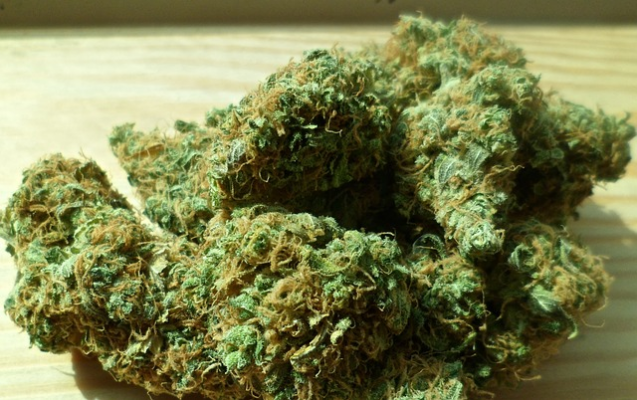
Yes. THCjd will get you high, even more than Delta 9 THC. As was already said, the alkyl side chain of THCjd has eight carbon atoms, which makes it more likely to bind to CB1 receptors. The stronger THC’s ability to stick to something, the more carbon atoms it has.
However, THCjd is a very new psychoactive compound. That means that data or research have not been able to show its exact effects yet. So far, we know that THC-JD products are very psychoactive, but we don’t know how strong they are because researchers have not been able to confirm that. However, most people agree that its high is between Delta 9 THC and THCP, the strongest cannabinoid in hemp and about ten times stronger.
THCjd is safe in the same way that Delta 9 THC is safe. But because THCjd is much stronger, the side effects are much worse. If you take too much, you may experience the following:
As THCjd gains popularity for its potent psychoactive effects, it’s essential to understand the potential risks and warnings associated with its use. While research on this newly discovered cannabinoid is still limited, there are general concerns applicable to most cannabinoids that users should be aware of. Below, we will discuss potential risks and warnings associated with THCjd use, such as drug interactions, possible long-term effects, and contraindications for specific populations.
Like other cannabinoids, THCjd has the potential to interact with various medications. Thus, it’s crucial to consult with a healthcare professional before using THCjd if you are taking prescription or over-the-counter medications, as it may affect their efficacy or cause adverse reactions. Some common drug interactions to be aware of include:
Given the limited research on THCjd, its long-term effects are not yet fully understood. However, it’s essential to consider the potential risks associated with the long-term use of any psychoactive cannabinoid. Some potential long-term effects to be aware of include the following:
Certain populations should exercise caution or avoid THCjd use altogether due to the potential risks. Some of these populations include:
As interest in beneficial cannabinoids grows, THCjd has recently become a powerful and intriguing compound. With its potent psychoactive effects, it’s essential to understand the various consumption methods to maximize its benefits and minimize potential risks.
Below, we will delve into four popular methods of consuming THCjd: vaping, edibles, tinctures, and topicals. Then, let’s explore the advantages and disadvantages of each, helping you make an informed decision about which method is best for you.
Vaping is a popular method of consuming THCjd, as it allows the compound to enter the bloodstream quickly through the lungs. This results in rapid onset of effects, typically within a few minutes. Vaping devices, such as vaporizers or vape pens, heat the THCjd concentrate to a temperature that produces vapor without combusting the material.
Advantages:
Disadvantages:
THCjd can also be consumed as edibles, such as gummies, chocolates, and baked goods. Upon consumption, THCjd is taken in by the digestive system and processed by the liver before making its way into the circulatory system.
Advantages:
Disadvantages:
Tinctures represent liquid-based extractions of THCjd, which can be administered sublingually (beneath the tongue) or incorporated into meals and drinks. When administered sublingually, THCjd enters the bloodstream directly via the oral mucous membranes, resulting in a more rapid onset of effects in comparison to edible consumption.
Advantages:
Disadvantages:
Topical products, such as creams, balms, and lotions infused with THCjd, can be applied directly to the skin. While topicals typically do not produce psychoactive effects, they may provide localized relief for pain or inflammation.
Advantages:
Disadvantages:
The discovery of THCjd has added another layer of complexity to the already fascinating world of cannabinoids. However, as research continues to uncover new compounds and delve deeper into their potential applications, the future of cannabinoid science looks promising. In this blog post, we will discuss ongoing research efforts related to THCjd, potential future developments in cannabinoid research, and the implications these advancements may have on the cannabis industry.
As a recently discovered cannabinoid, research on THCjd is still in its infancy. Current efforts focus on understanding the compound’s unique properties, such as its potency, effects, and potential therapeutic applications. Some key areas of interest for researchers include:
The field of cannabinoid research is continuously evolving, with discoveries and breakthroughs regularly reshaping our understanding of these complex compounds. Some potential future developments in the field may include:
The ongoing research and developments in cannabinoid science have significant implications for the cannabis industry, with the potential to shape its future in several ways:
Even though it is possible to extract THCjd directly, there isn’t enough of it in mature cannabis flowers. It only makes up about 1% of the cannabinoids in the plant. Thus, most THCjd products are made by changing CBD to THCjd through isomerization.
It is hard to know how strong THCjd is compared to other types of THC, but some unreliable reports say it is up to 19 times stronger than Delta 9 and over 25 times stronger than Delta 8. But there aren’t any studies to back up that claim. So we can only compare how strong different forms of THC are by looking at their carbon chains.
There is no surefire way to get THCjd or any other form of THC out of your system. THCjd is stored in your adipose tissue, a mass of fat cells that can’t be reached. You would have to take it out to remove THCjd from your body, which is physically impossible. Instead, you can speed up the process by exercising, drinking lots of water, and eating foods that boost your metabolism.
Federal law says that THCjd is legal, but it can only be made from the hemp plant and can’t have more than 0.3% Delta 9 THC by dry weight. So THCjd made from marijuana is still against the law at the federal level, but you can find it in states where marijuana is legal for recreational use. At the moment, 21 states are like this.
THCjd is a new cannabinoid that has not been studied by scientists yet. Thus, we know little about its effects, benefits, and safety. But because THCjd is about 25 times stronger than Delta 9 THC, even experienced users must be careful when using it.
If you have never tried psychoactive cannabinoids, start with milder isomers like Delta 8 and Delta 10 THC. If you try THCjd, buy it from a reputable seller who can give you a current Certificate of Analysis (CoA) from a third-party lab.
Embarking on a journey to better understand what Delta 9 Gummies are? You’ve landed…
Learn more

Delta 8 Moon Rocks and Delta 9o both originate from the cannabis plant, yet…
Learn more

Wondering how many Delta 9 gummies can I take? You’re in the right spot!…
Learn more

Cannabis has attracted ongoing interest and research due to its wide variety of cannabinoids,…
Learn more


