


Delta 9

D9 Gummies
What Are D9 Gummies? D9 gummies are edible candies infused with Delta 9 THC,…
Learn more
You must be 21+ to enter this site
 FREE SHIPPING $89+
 FREE SODA ON $120+
 100% FEDERALLY LEGAL
 LAB TESTED FOR PURITY
FREE SHIPPING $89+
FREE SODA ON $120+
100% FEDERALLY LEGAL
LAB TESTED FOR PURITY
FREE SHIPPING $89+
FREE SODA ON $120+
100% FEDERALLY LEGAL
LAB TESTED FOR PURITY
FREE SHIPPING $89+
FREE SODA ON $120+
100% FEDERALLY LEGAL
LAB TESTED FOR PURITY
FREE SHIPPING $89+
FREE SODA ON $120+
100% FEDERALLY LEGAL
LAB TESTED FOR PURITY
FREE SHIPPING $89+
FREE SODA ON $120+
100% FEDERALLY LEGAL
LAB TESTED FOR PURITY
LAB TESTED FOR PURITY
FREE SHIPPING $89+
FREE SODA ON $120+
100% FEDERALLY LEGAL
LAB TESTED FOR PURITY
FREE SHIPPING $89+
FREE SODA ON $120+
100% FEDERALLY LEGAL
LAB TESTED FOR PURITY
FREE SHIPPING $89+
FREE SODA ON $120+
100% FEDERALLY LEGAL
LAB TESTED FOR PURITY
FREE SHIPPING $89+
FREE SODA ON $120+
100% FEDERALLY LEGAL
LAB TESTED FOR PURITY
FREE SHIPPING $89+
FREE SODA ON $120+
100% FEDERALLY LEGAL
LAB TESTED FOR PURITY

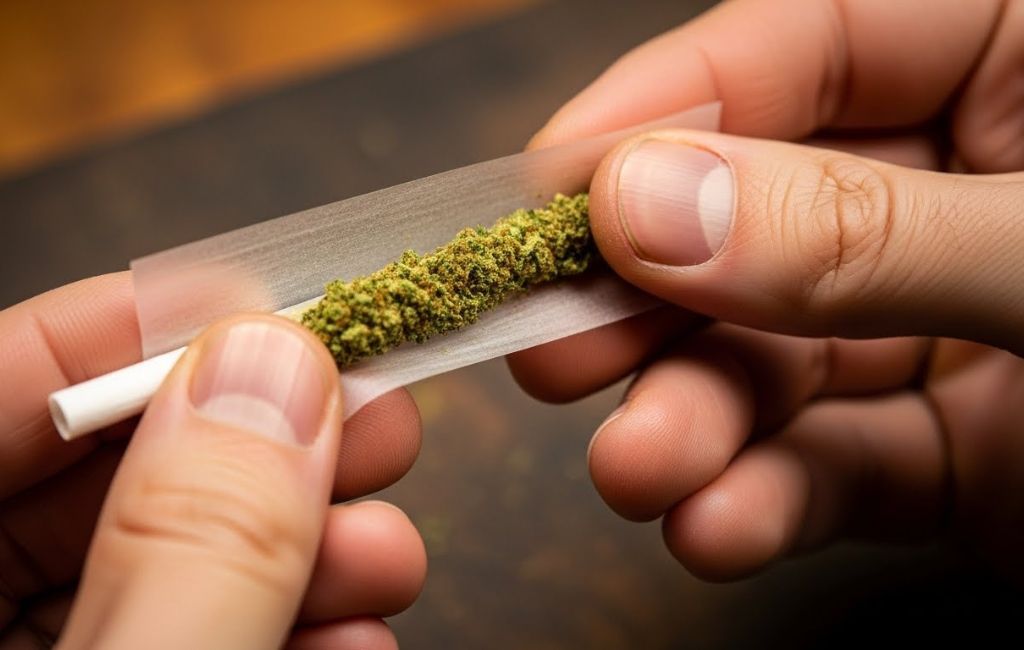
Rolling a joint is one of those classic rituals in cannabis culture — a small, hands-on moment that brings people together, whether you’re a longtime consumer or just exploring your first hand-rolled cannabis cigarette.
It’s less about perfection and more about the feel of the rolling paper in your hands, the scent of cannabis flower, and the shared experience that follows. This guide walks you through the art of joint rolling in a friendly, approachable way, so you can enjoy the process as much as the final product.
Rolling a joint is a familiar part of cannabis culture, often seen as a calming, hands-on ritual that reflects a person’s style and comfort with the plant. Here’s a look at what people commonly talk about when they describe the rolling process and what goes into creating a well-rolled joint.
Many cannabis users talk about starting with simple essentials: rolling papers (sometimes hemp papers), a grinder to break down cannabis flower into a consistent texture, and optional items like a filter, crutch, or a small piece of cardboard. Some roll a joint without a filter, while others prefer pre-rolls or even a rolling machine. A flat surface or rolling tray usually helps keep everything in place during the rolling process.
People often describe how they grind their cannabis or want to grind it just enough to create evenly distributed ground cannabis flower. This texture helps ensure an even burn and better airflow in a perfectly rolled joint. The scent of resin and the look of ground cannabis often become part of the sensory experience before the rolling even begins.
Enthusiasts mention how they hold the rolling paper between their thumb and index fingers, feeling for the crease or folding the paper back and forth to get comfortable with it. Whether it’s a single paper from a rolling paper pack or a specialty hemp option, many treat this moment as setting the foundation for the joint’s shape.
When people talk about shaping the cannabis, they often mention how they hold the cannabis in place, adjust the cannabis gently, and try to create a natural cylinder. Some prefer a more open end, some a more compact shape, and others enjoy experimenting with different rolling techniques to master the art of joint rolling. This part is usually described as one of the most personal steps, where you start to “roll like” your own style.
Culturally, this is the part everyone recognizes — the rolling motion guided by the thumbs and index fingers. People often talk about how the paper wraps around the mix of ground cannabis and how they move the paper back and forth to settle everything. Even though everyone has their own technique, many agree that practice makes perfect and that rolling your first joint is a memorable milestone.
Stories about sealing the joint often mention how users rotate the joint, smooth the shape without over-packing it, or decide whether to leave a twisted end or an open end. These small choices affect airflow and how the joint is packed, contributing to a smoother smoking experience. Even those who roll without a crutch or without a filter often describe a similar attention to detail.
For many, the final part is about community — lighting up the finished joint and sharing with friends. Whether it’s a hand-rolled cannabis cigarette, a mix of cannabis and tobacco, or a simple filterless joint, this moment is where the ritual becomes social. People often reflect on thc levels, how evenly the joint burns, and the familiar comfort of enjoying cannabis together.
People enjoy cannabis in many different ways, and joints remain a popular choice because of the simple, familiar experience they offer. Here are some commonly discussed reasons why joints continue to have a place in cannabis culture.
Seasoned cannabis users often talk about the small habits and preferences that make rolling feel smoother and more intuitive. These insights don’t replace practice, but they do shed light on what experienced rollers tend to pay attention to.
Rolling a joint is as much about the moment as it is about the final result — a blend of texture, technique, and personal rhythm that cannabis users continue to enjoy. Whether you’re appreciating the flavor of the cannabis flower, connecting with friends, or simply getting comfortable with your own rolling style, the experience is meant to feel approachable and expressive.
And if you’re curious about exploring quality strains or tools that support your ritual, you can check out our curated options here for a smoother, more enjoyable session.
It depends on personal preference. Some people choose strains based on flavor and aroma, while others look for specific effects or thc levels that match the experience they want.
Yes, joints can dry out over time. When this happens, the paper and cannabis lose moisture, which can affect aroma and overall smoothness.
Absolutely. Too much humidity can make rolling papers feel soft or less sturdy, while overly dry conditions can make both the paper and cannabis brittle.
“Hemp vs. traditional” is mostly about preference. Hemp papers have a natural feel that some users enjoy, while others prefer classic styles for their familiar texture and burn rate.
Uneven burning can come from inconsistent packing, overly dry cannabis, or drafts in the environment. Even experienced rollers sometimes encounter it.
Yes, many users store hand-rolled joints in tubes or small containers to keep them fresh. Protecting them from crushing and excess air exposure helps maintain quality.
Joints use rolling papers, while blunts are typically rolled with thicker, tobacco-based wraps. This affects flavor, burn rate, and overall experience.
Some users blend cannabis with herbs like lavender or mint for aroma, though preferences vary widely and not all botanicals are ideal for smoking.
Papers may tear if they’re too dry, handled with excessive pressure, or exposed to moisture. Keeping them stored properly helps maintain their durability.
Most people say it depends on practice. Over time, your hands develop a sense of balance and consistency that makes the process feel more natural.
What Are D9 Gummies? D9 gummies are edible candies infused with Delta 9 THC,…
Learn more

Delta-9 is gaining popularity and is now legal in many states. Known for its…
Learn more

Wondering how many Delta 9 gummies can I take? You’re in the right spot!…
Learn more

Delta 9 THC gummies offer a convenient and enjoyable way to consume delta 9…
Learn more


